Sell Mineral Rights in Severance, CO
Severance sits inside Weld County's Wattenberg trend, where new subdivisions are now competing with drilling pads for the same square miles.
Severance has gone from a farm town of a few hundred people to one of the fastest-growing municipalities on the Front Range, and that growth is landing directly on top of Wattenberg Field production. If your family held onto minerals when the surface around town got platted for houses, you now own an interest that sits at the exact friction point between residential expansion and Niobrara and Codell development.
Where Severance sits in the Wattenberg trend
Severance is close enough to the core Wattenberg Field that operators still view the acreage as economic for horizontal Niobrara and Codell laterals, but close enough to new rooftops that every proposed pad now runs through a longer local review. Weld County itself stayed comparatively permissive after SB 19-181, but the town's own planning process has grown more cautious as annexations push the residential edge west and north.
For a mineral owner, that combination cuts two ways: it keeps operators interested in holding the leasehold, but it also stretches out the timeline between a permit application and a rig showing up on your section.
Split estate from the old farm parcels
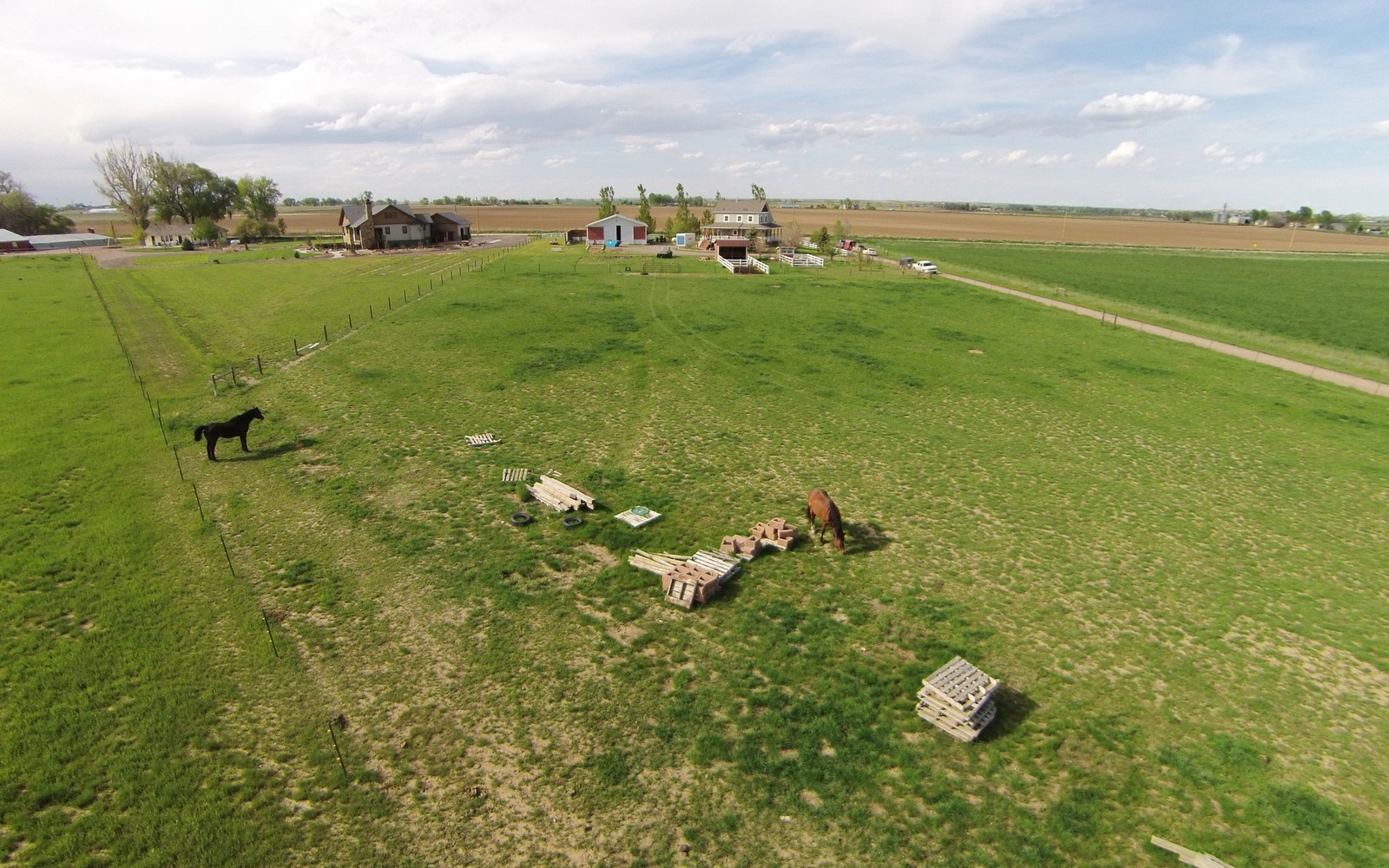
Most of the ground around Severance was homesteaded or bought as dryland wheat and irrigated corn acreage decades before anyone drilled a Niobrara well. When those parcels sold off for development, sellers frequently kept the mineral estate, which is why so many Severance-area owners today hold a fractional interest tied to a farm their grandparents worked rather than to any oil and gas lease they signed themselves.
That history means title can run through several generations of transfer, so before we quote a number we pull the Weld County Clerk and Recorder chain to confirm what percentage you actually hold in the current spacing unit.
What drives value on a Severance parcel
Value here tracks three things: how close your tract sits to an active or permitted pad, whether you're already receiving a division order check that shows a real decline curve, and how much of the surrounding section is still open to development versus buffered by new setbacks. We price against recent Weld County comps and current strip pricing rather than quoting a flat number before we've seen your division order statement.
Anchor the Area to the Colorado Record
An area brief should identify the local property context without substituting a city or county label for tract evidence. The file connects the local tract to the legal description, ownership fraction, formation, producing unit, operator, lease position, paid decimal, statement history, and nearby activity. County records, state well information, payor documents, and the owner file may each answer a different part of the schedule. The review should preserve those source differences rather than smoothing them into a generic statewide summary.
Compare Local Tracts Through the Same Evidence Lines
A local tract can be compared with other Colorado interests only after the same evidence lines are populated: recorded right, paid interest, production, decline, lease burdens, inventory signals, title risk, and written offer scope. Basin proximity, operator activity, or a nearby completion can add context but does not guarantee development. A useful written comparison states the date of the evidence, the assumptions included, the property excluded, and the title or timing condition that could still change the result.
Check the Assumption Before It Enters the Schedule
Is your Severance interest still drillable with the town growing so fast?
In most cases yes, particularly on tracts that sit outside the newest annexation boundaries. We check the current spacing order and any local setback overlay before we value your interest.
you never signed a lease. Do you still have something to sell?
If you hold a mineral interest under land near Severance, it can have value whether or not it's currently leased, though unleased interests typically price lower until a well is permitted.
How fast can this close?
Once we confirm your chain of title through the county recorder's office, most Severance transactions close in two to four weeks.