
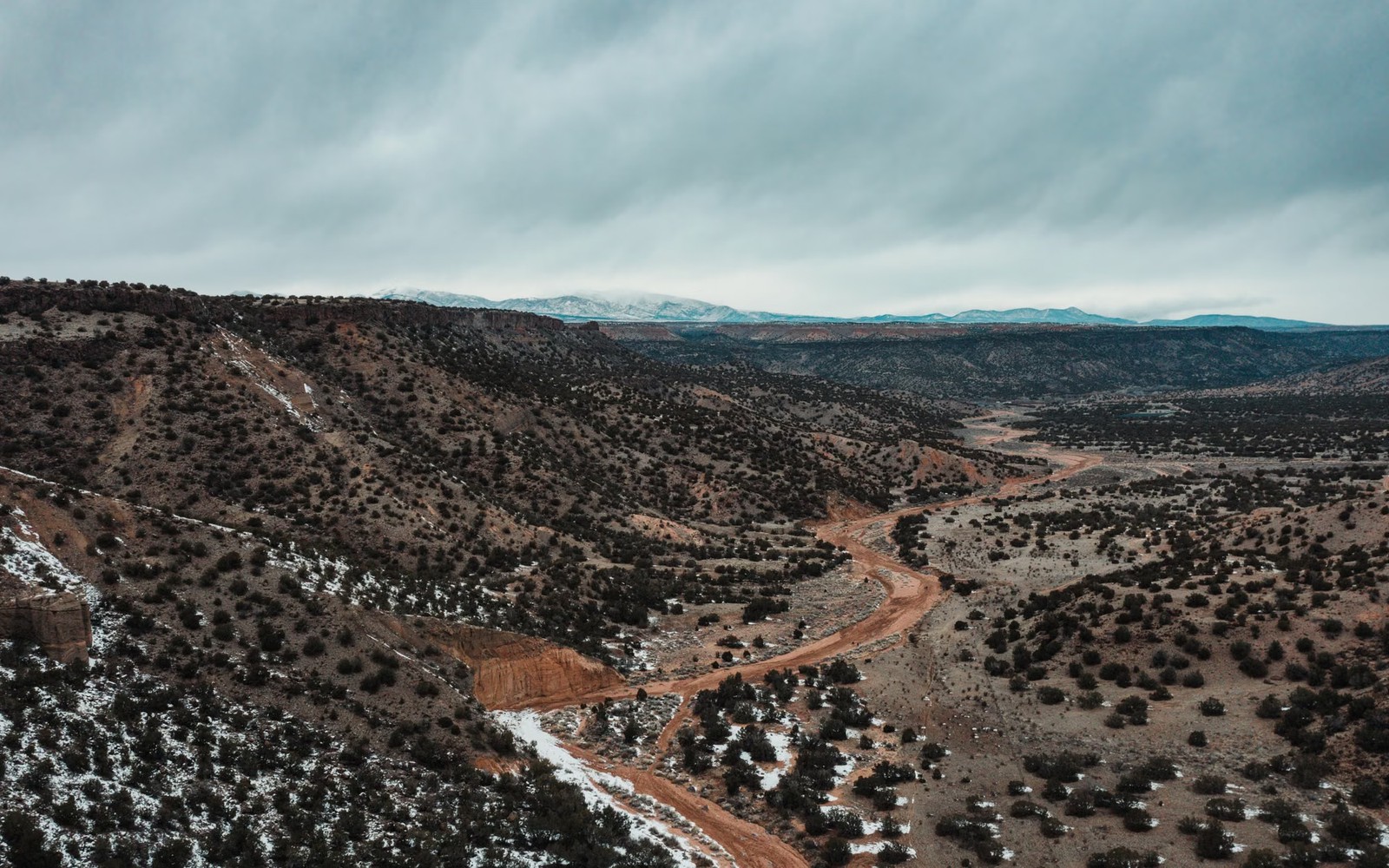
San Juan Basin Mineral Rights
The Colorado side of the San Juan Basin is older, coalbed-methane country, and it prices on a different set of assumptions than the DJ Basin's horizontal boom.
The San Juan Basin extends from northwestern New Mexico up into southwestern Colorado, covering La Plata and Archuleta County around Durango and Pagosa Springs. Colorado's slice of the basin was one of the earliest large-scale coalbed methane plays in the country, with dense vertical well development through the Fruitland coal starting in the 1980s and 90s, well ahead of the horizontal drilling that later reshaped Colorado's Front Range.
We evaluate San Juan Basin interests against that legacy production profile: mature vertical wells, most already decades into a long, flat decline, with royalty streams that behave very differently from a young DJ Basin horizontal. Check stub history matters even more here, since these wells have often been on production long enough to show a stable, well-established curve.
Coalbed methane's flatter decline
Fruitland coal wells in the San Juan typically don't show the steep first-year decline common to horizontal oil wells. Instead they often ramp up production over an initial dewatering period before settling into a long, gradual decline that can persist for many years. That shape makes a mature San Juan royalty interest more predictable to underwrite than a young horizontal, but it also means the remaining upside is limited compared to a well still early in its life.
Because so much of this development dates to the 1980s and 90s, many wells on Colorado's side of the basin are now well past their peak and producing at stable, low rates. We weight that maturity heavily when quoting, favoring your actual multi-year check history over any assumption about where the well sits on a generic curve.
Legacy leases and older recorded instruments
Many La Plata and Archuleta County mineral interests trace back to leases and severance deeds recorded decades ago, sometimes with terms, pooling language, or royalty fractions that read differently than a modern Colorado lease. We pull the recorded instrument at the county clerk's office rather than relying on the division order alone, because older leases occasionally carry provisions, like fixed royalty fractions or unusual pooling clauses, that change what your true net interest actually is.
Split estate is common here too, particularly on ranch and agricultural land around Durango where the surface stayed in family hands while gas rights were leased or sold off separately generations ago.
Water production and coalbed methane economics
Coalbed methane wells produce significant water alongside gas, and water handling costs are a real line item in the economics an operator weighs when deciding whether to keep an older well online versus plugging it. We look at whether nearby wells in your section have been plugged or remain active, since a basin this mature has seen real attrition, and that affects how we think about the remaining life of your specific interest.
Tracing ownership through multiple operator changes
Because so much of this production dates back decades, we start with whatever documentation you have: an old lease, a division order statement, even correspondence from a previous operator that later sold the asset to a successor company. San Juan Basin wells have changed hands between operators multiple times over the years, and the current operator's name on your latest check may not match the company originally named on your lease.
We trace that ownership history through the recorded assignments at the county clerk's office so the deed we prepare correctly identifies the current operator and matches what the division order desk has on file, which avoids delays after closing.
Federal and tribal overlap on the Colorado side
Southwestern Colorado's San Juan Basin acreage sits near, and in places overlaps, federal and tribal mineral interests administered through separate leasing and royalty frameworks than a purely private fee mineral tract. Before we quote an interest in La Plata or Archuleta County, we confirm whether the tract is private fee minerals or falls under a different administrative structure, since the two aren't interchangeable and the sale process differs meaningfully between them.
For private fee interests, the process is straightforward once title is confirmed: a recorded mineral deed, the same as anywhere else in Colorado, transfers ownership cleanly to the buyer.
Check the Assumption Before It Enters the Schedule
Is San Juan Basin production still active in Colorado?
Much of it is legacy production from wells drilled decades ago, now well into a long, flat decline. Some wells remain productive; others in mature areas have been plugged. We check current operator status for your specific section.
Why does your old lease look different from a modern Colorado lease?
Leases recorded in the 1980s and 90s sometimes use older pooling or royalty language. We pull your recorded instrument at the county clerk's office to confirm exactly what fraction and terms apply.
Does coalbed methane decline the same way as a horizontal oil well?
No. It typically ramps during an initial dewatering phase, then declines gradually over a long period, unlike the steep early decline common to horizontal oil wells in the DJ Basin.
Can water production affect the economics of your well?
Yes. Coalbed methane wells produce water alongside gas, and water handling cost is part of what determines whether an operator keeps a mature well online. We factor nearby plugging activity into our review.