
Sell Mineral Rights in Sheridan, CO
Sheridan is one of the smallest, most built-in cities on the Front Range, and its mineral history reads more like a title puzzle than an active royalty story.
At under a square mile and fully surrounded by Denver and Englewood, Sheridan isn't a place where you'll see a new well pad. Owners here almost always hold a severed interest that traces back to farmland sold off before the city incorporated, and the question we get most is simply whether that old paper is worth anything today.
We still buy interests around Sheridan regularly, priced conservatively to reflect the distance from active development, and we're upfront about that reasoning rather than quoting a number that implies drilling is imminent.
Distance from current DJ Basin activity
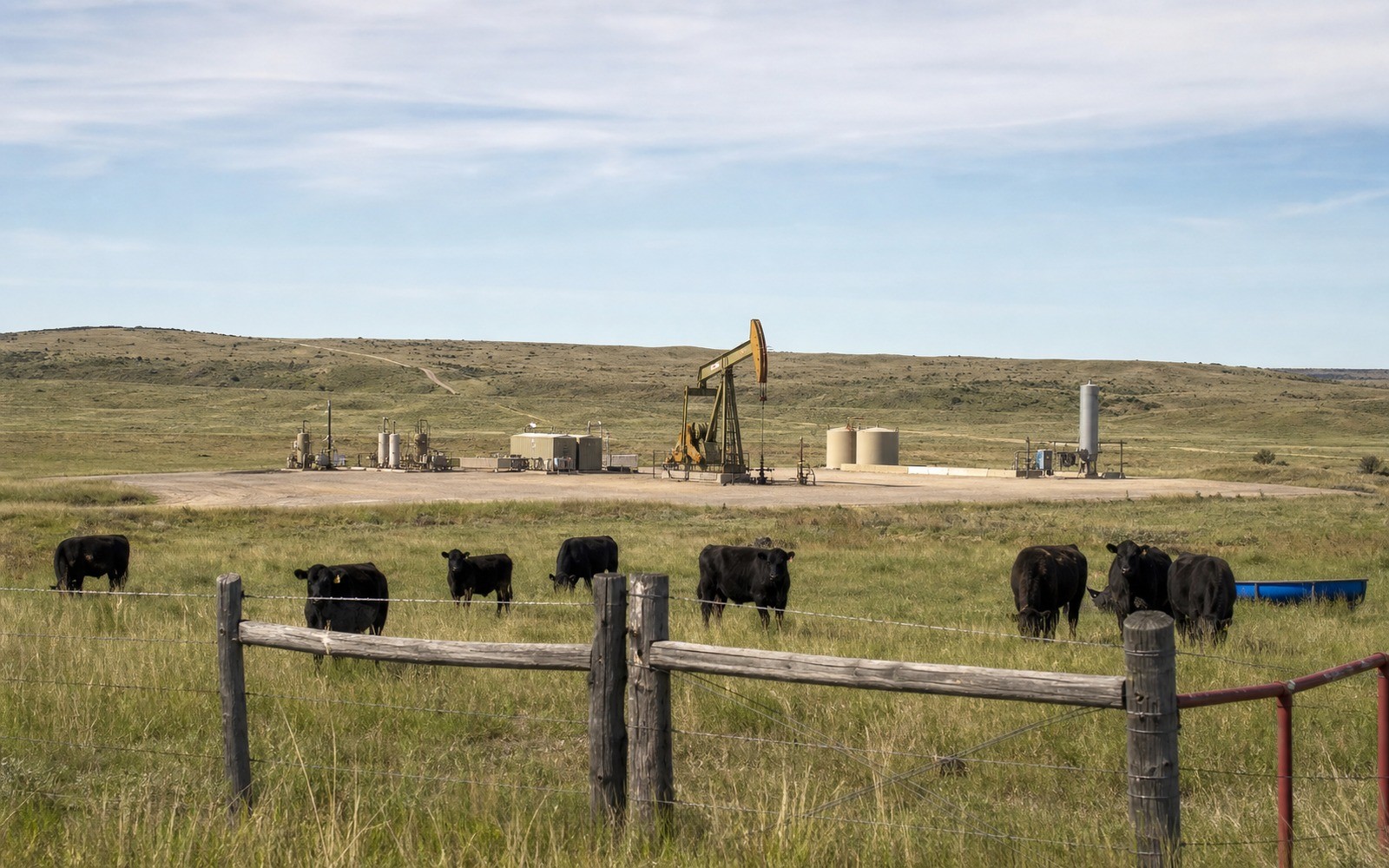
Active Niobrara and Codell development is concentrated well north and east of Sheridan, mostly in Weld County and the northern fringe of Adams and Arapahoe. That distance means a Sheridan mineral interest is speculative rather than currently producing in the vast majority of cases, and buyers price it accordingly, closer to a long-dated option than to a paying royalty.
We still buy interests like this. The value sits in holding the paper for the possibility that lateral lengths keep extending or that a future spacing order sweeps the tract in, not in an expectation of near-term drilling.
Why title work matters more than geology here
Because production isn't imminent, what actually moves the price on a Sheridan interest is clean, provable title. We pull the Arapahoe County Clerk and Recorder chain, confirm the reservation survived every subsequent transfer, and quote against that certainty rather than against a decline curve that doesn't exist yet.
Anchor the Area to the Colorado Record
An area brief should identify the local property context without substituting a city or county label for tract evidence. The file connects the local tract to the legal description, ownership fraction, formation, producing unit, operator, lease position, paid decimal, statement history, and nearby activity. County records, state well information, payor documents, and the owner file may each answer a different part of the schedule. The review should preserve those source differences rather than smoothing them into a generic statewide summary.
Compare Local Tracts Through the Same Evidence Lines
A local tract can be compared with other Colorado interests only after the same evidence lines are populated: recorded right, paid interest, production, decline, lease burdens, inventory signals, title risk, and written offer scope. Basin proximity, operator activity, or a nearby completion can add context but does not guarantee development. A useful written comparison states the date of the evidence, the assumptions included, the property excluded, and the title or timing condition that could still change the result.
Check the Assumption Before It Enters the Schedule
Is there any active drilling near Sheridan right now?
No active pads sit within the city, and the nearest DJ Basin development is a meaningful distance north. We factor that distance into the offer.
Why would anyone buy a non-producing mineral interest?
Some buyers, including us, purchase legacy interests as a long-term position, betting on eventual development or unit inclusion rather than immediate income.
What Do you need to get a quote?
A copy of your mineral deed or the legal description from your property, which we use to pull the county chain of title before pricing your interest.
Should you hold out for a higher offer later instead of selling now?
That depends on your own timeline and risk tolerance. A speculative interest can appreciate if the basin's edge eventually extends this far, or it can sit unchanged for years, and we lay out both scenarios honestly.