
Sell Mineral Rights in Redlands, CO
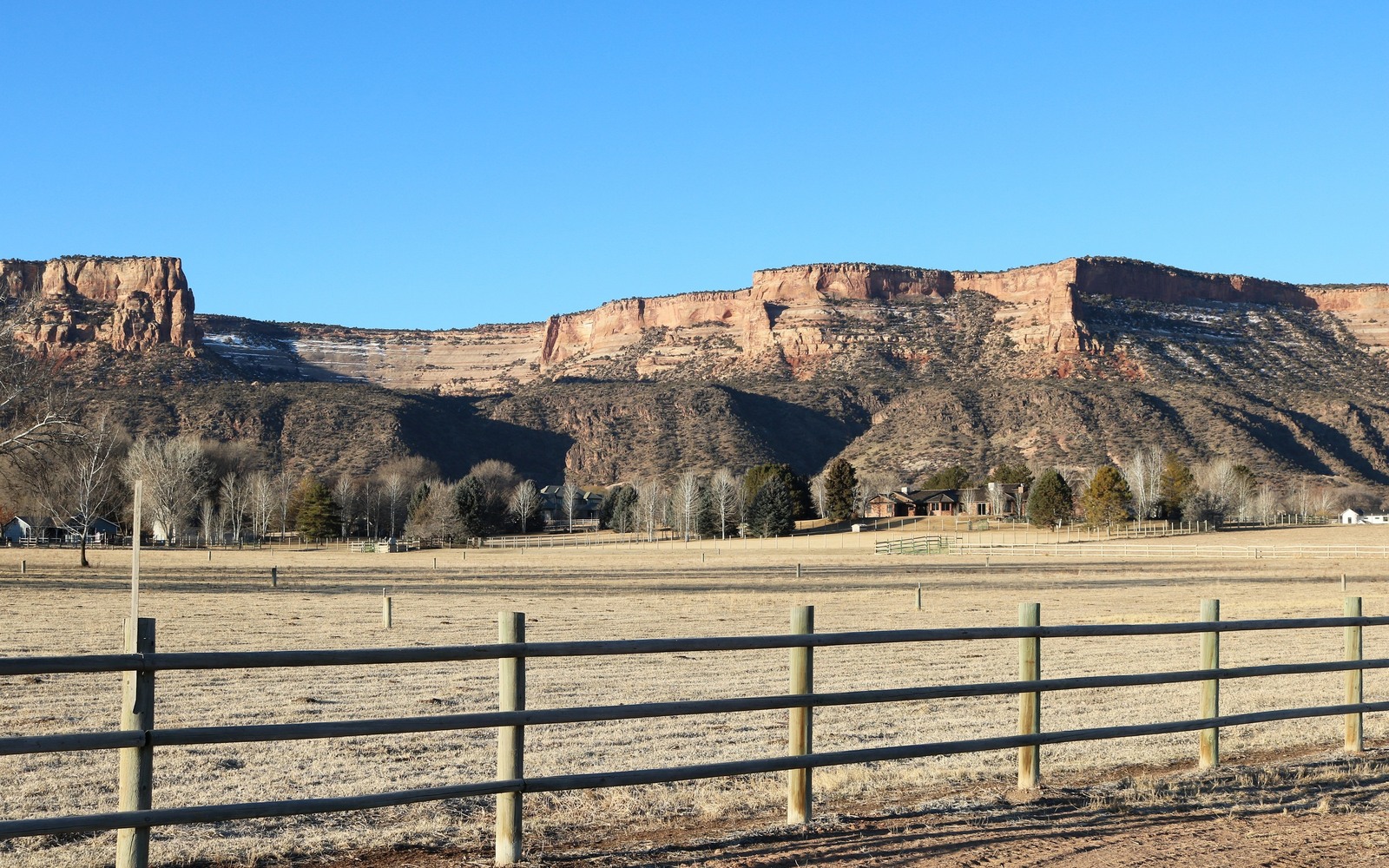
Redlands sits at Grand Junction's western edge, where the sandstone bluffs and mesas that give the area its name mark the transition from urbanizing Grand Valley ground into more open Mesa County acreage.
Redlands has grown as a Grand Junction residential area over recent decades, but mineral ownership here often predates that growth, tracing back to ranch or agricultural land held before the area developed. Oil and gas activity in this stretch of Mesa County has always been lighter than the Piceance Basin's productive core further east in Garfield County.
Flank geology meeting residential growth
Like much of western Mesa County, the Williams Fork and Mesaverde gas-bearing formations extend under this area, but drilling density has remained low, and continued residential development around Grand Junction further limits where new wells could realistically be sited going forward.
We check COGCC records specific to your legal description to confirm whether any well has ever been drilled here, since that answer varies significantly across different parts of Redlands.
What we need to evaluate your interest
Your deed or legal description, and any prior lease documents your family may have. Mesa County clerk and recorder records in Grand Junction help confirm the chain of title if there's any gap in your paperwork.
Anchor the Area to the Colorado Record
An area brief should identify the local property context without substituting a city or county label for tract evidence. The file connects the local tract to the legal description, ownership fraction, formation, producing unit, operator, lease position, paid decimal, statement history, and nearby activity. County records, state well information, payor documents, and the owner file may each answer a different part of the schedule. The review should preserve those source differences rather than smoothing them into a generic statewide summary.
Compare Local Tracts Through the Same Evidence Lines
A local tract can be compared with other Colorado interests only after the same evidence lines are populated: recorded right, paid interest, production, decline, lease burdens, inventory signals, title risk, and written offer scope. Basin proximity, operator activity, or a nearby completion can add context but does not guarantee development. A useful written comparison states the date of the evidence, the assumptions included, the property excluded, and the title or timing condition that could still change the result.
Check the Assumption Before It Enters the Schedule
Is there active drilling in the Redlands area?
Limited, and growing residential development further constrains future siting. We check your specific section's record before quoting.
Does residential growth reduce your mineral value?
It can reduce development likelihood on undrilled acreage, though it doesn't affect the value of any interest already tied to an existing producing well.
How do you check if your land has ever been leased?
We search Mesa County clerk and recorder filings against your legal description and will tell you plainly what we find.
Are Redlands mineral interests usually large or small?
Mostly modest fractional interests tied to former agricultural or ranch parcels, since large-scale drilling development never reached this part of Mesa County the way it did further east.
What's the typical timeline for getting an offer?
Once we have your legal description, we can usually turn around a preliminary number within a few business days, faster if there's no complex title history to untangle.
Do you need to see the property in person before quoting?
No, we work entirely from public well and title records along with whatever documentation you provide, so there's no need for an in-person visit before we give you a number.