
Sell Mineral Rights in Raymer (New Raymer), CO
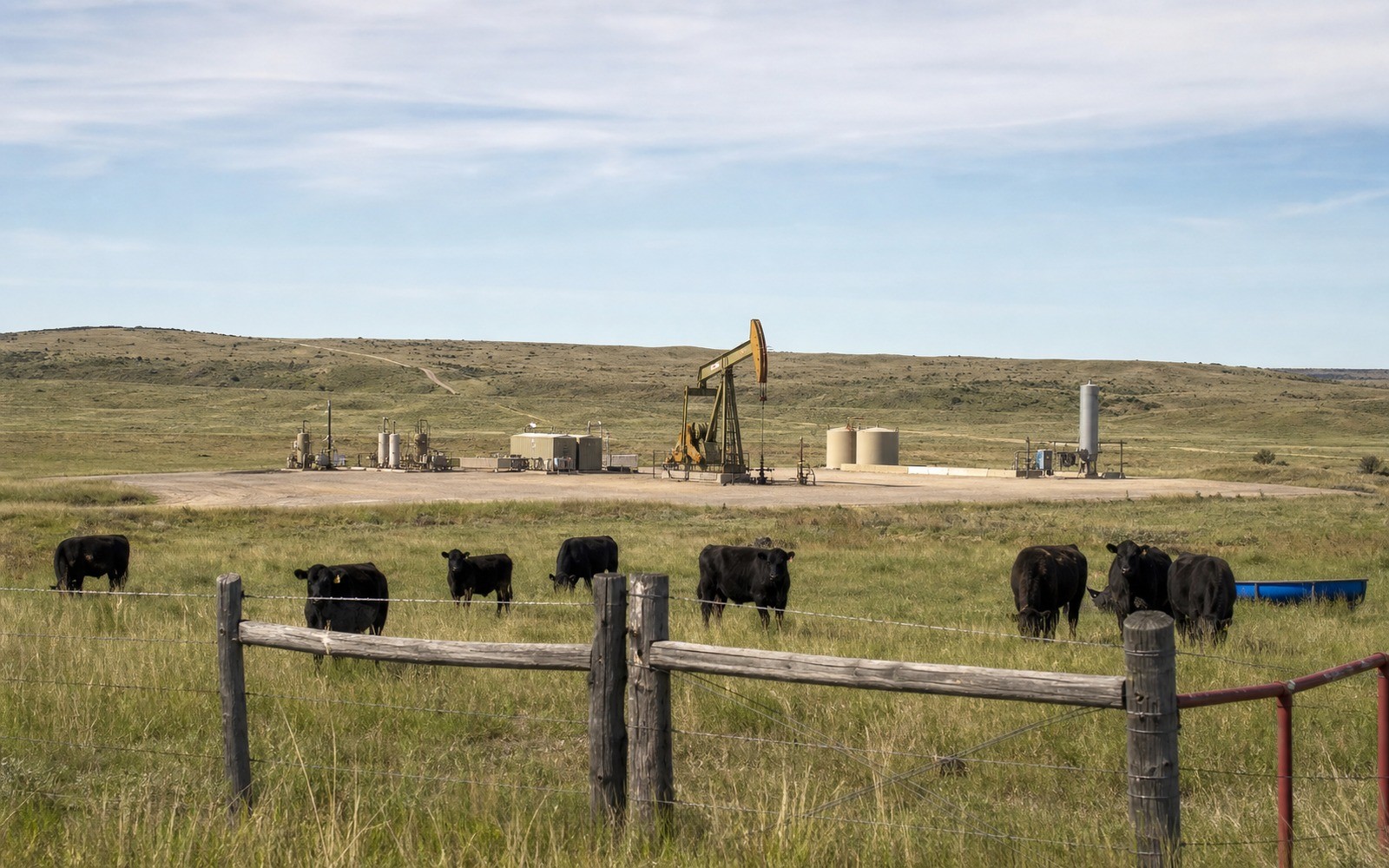
New Raymer sits in the most remote corner of Weld County, ranch and dryland farm country far enough from Greeley and the Wattenberg pad density that oil and gas activity here has always moved on its own slower timeline.
This is genuinely isolated country — one of the smallest towns in the county, surrounded by large family ranch and farm operations. Mineral rights here are almost always held by the same families who've worked this land for generations, with leases that in some cases have sat held by production on a single older well for decades without much change.
Held-by-production leases in thin-development country
A lot of New Raymer-area leases were signed decades ago and have simply stayed active as long as an original well kept producing, without the follow-up horizontal development that transformed core Wattenberg acreage further south. That means your interest's value depends heavily on that specific well's current output rather than assumptions based on the broader DJ Basin.
If new horizontal drilling has extended out this far in recent years, that changes the picture considerably, and it's exactly the kind of update we check for before quoting rather than relying on outdated assumptions.
What we need from you
Your legal description or deed, and any old lease paperwork or division order statements you can find. Even sparse records help us start tracing your interest through Weld County clerk and recorder filings and COGCC well data.
Anchor the Area to the Colorado Record
An area brief should identify the local property context without substituting a city or county label for tract evidence. The file connects the local tract to the legal description, ownership fraction, formation, producing unit, operator, lease position, paid decimal, statement history, and nearby activity. County records, state well information, payor documents, and the owner file may each answer a different part of the schedule. The review should preserve those source differences rather than smoothing them into a generic statewide summary.
Compare Local Tracts Through the Same Evidence Lines
A local tract can be compared with other Colorado interests only after the same evidence lines are populated: recorded right, paid interest, production, decline, lease burdens, inventory signals, title risk, and written offer scope. Basin proximity, operator activity, or a nearby completion can add context but does not guarantee development. A useful written comparison states the date of the evidence, the assumptions included, the property excluded, and the title or timing condition that could still change the result.
Check the Assumption Before It Enters the Schedule
Has horizontal drilling reached this far out in Weld County?
In some areas, yes, as operators have extended spacing units, but development remains thinner than the Wattenberg core. We check current COGCC activity for your specific section.
your lease has been the same for thirty years — does that matter?
It tells us the well has likely been held by production that long, which we factor into understanding the well's age and current decline stage.
Is it worth getting an interest like this evaluated?
Yes — even modest, long-held interests can have real value, and it costs you nothing to find out what yours is currently worth.
What if a Colorado mineral-owning family's ranch spans several sections with different wells?
We map each section against COGCC well data individually, since interests spanning multiple units often carry different values depending on which wells and unit boundaries actually apply.
Is it common for interests this far out to just sit unmanaged for years?
Yes, and there's no penalty for that. We evaluate the interest based on its actual documented history whenever you're ready, regardless of how long it's gone unattended.