
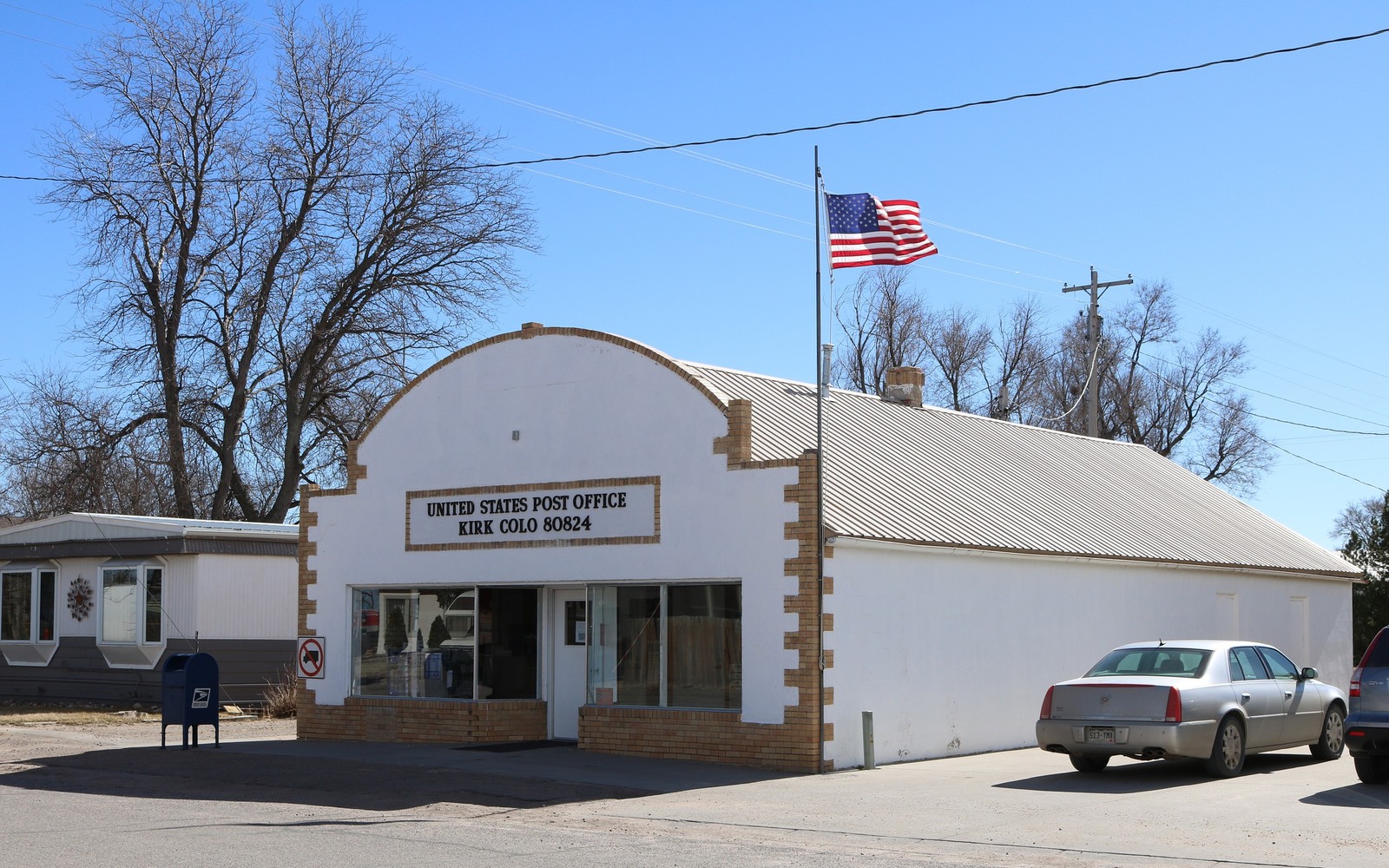
Sell Mineral Rights in Kirk, CO
Kirk sits on the far eastern flank of the DJ Basin, where Niobrara development thins out and most producing wells are older verticals rather than fresh horizontals.
Kirk is a small unincorporated community in far eastern Yuma County, near the Kansas line, well outside the dense Wattenberg core that dominates Weld County headlines. Mineral ownership out here usually traces back to a family's original homestead or dryland wheat operation, with the rights held separately from the surface for decades after the ground itself changed hands or stayed in the family.
Flank geology, not core density
Wells around Kirk are more likely to be older vertical completions targeting Niobrara or shallower zones than the multi-well horizontal pads common closer to Greeley. Spacing units here tend to be less crowded, and pooling orders are less frequent, so tracing your specific interest to a specific well is often more straightforward once we have your legal description.
Because this part of Yuma County has seen less new drilling in recent years, a lot of leases here are held by production on older wells rather than active development. That changes how we think about value: it's less about a coming completion and more about what the existing well has actually paid and how long it's likely to keep paying.
What we look for before quoting
We pull Colorado Oil and Gas Conservation Commission production records for any well tied to your section, check whether the lease is still held by production, and look at Yuma County clerk and recorder filings for pooling or unit designations. If your interest hasn't produced in years, we'll tell you that plainly rather than inflate a number.
Anchor the Area to the Colorado Record
An area brief should identify the local property context without substituting a city or county label for tract evidence. The file connects the local tract to the legal description, ownership fraction, formation, producing unit, operator, lease position, paid decimal, statement history, and nearby activity. County records, state well information, payor documents, and the owner file may each answer a different part of the schedule. The review should preserve those source differences rather than smoothing them into a generic statewide summary.
Compare Local Tracts Through the Same Evidence Lines
A local tract can be compared with other Colorado interests only after the same evidence lines are populated: recorded right, paid interest, production, decline, lease burdens, inventory signals, title risk, and written offer scope. Basin proximity, operator activity, or a nearby completion can add context but does not guarantee development. A useful written comparison states the date of the evidence, the assumptions included, the property excluded, and the title or timing condition that could still change the result.
Check the Assumption Before It Enters the Schedule
Is there active drilling near Kirk right now?
Less than the DJ Basin core around Weld County. Most Kirk-area wells are established verticals; new horizontal activity out this far east is limited but does happen when operators extend spacing units.
your mineral interest hasn't paid a royalty in years — is it worthless?
Not necessarily. A held lease can still have future value if operators return to the area, but current worth reflects the well's actual production history, and we'll be direct with you about that.
How do you find out if your land is under an existing spacing unit?
We check that against COGCC's online records once you send us your section-township-range, and we'll tell you what unit, if any, your interest falls inside.