
Sell Mineral Rights in Keenesburg, CO
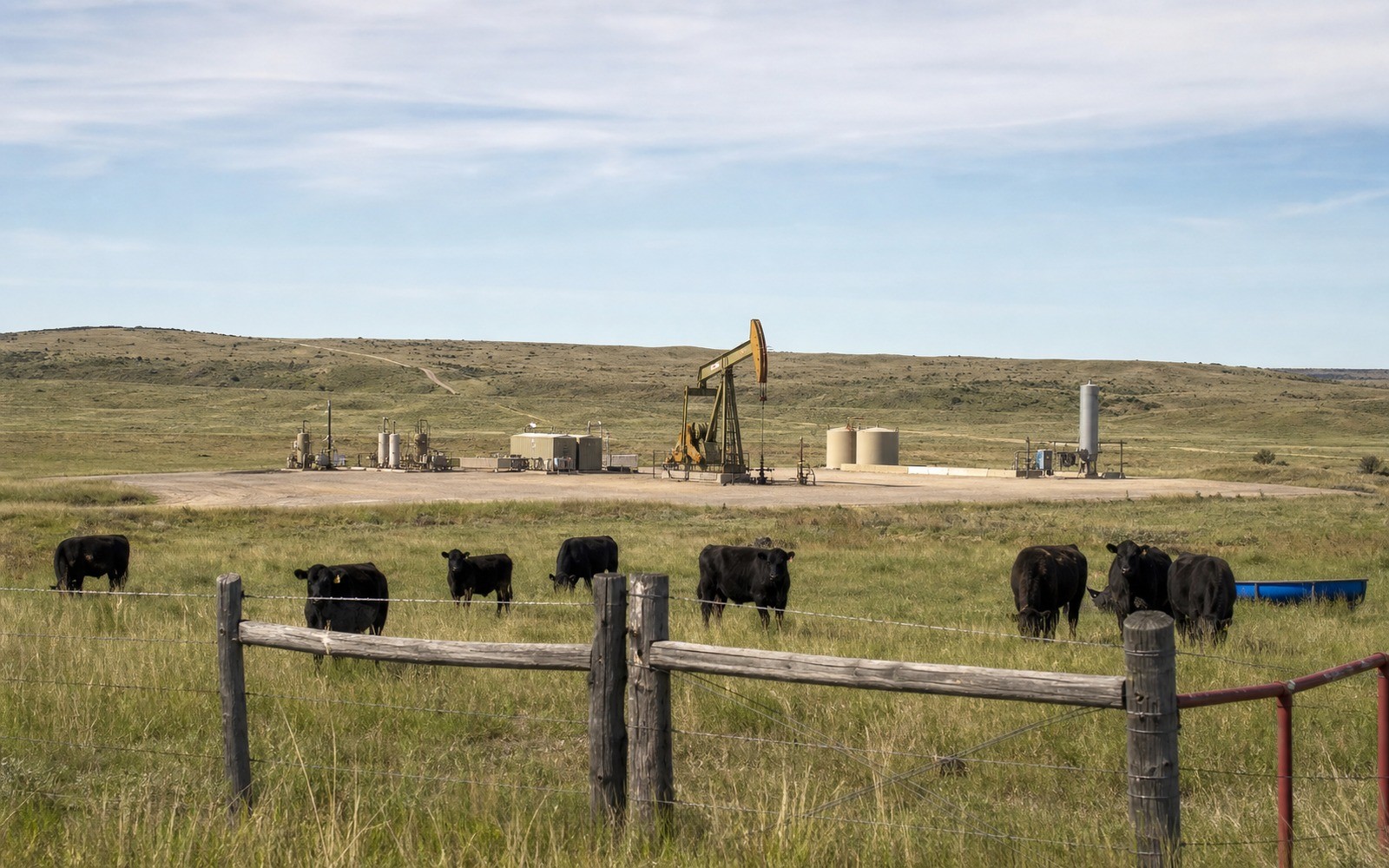
Keenesburg sits in eastern Weld County, ground that has seen steady horizontal development as operators pushed drilling east from the tightest Wattenberg core over the past decade.
Most owners we work with near Keenesburg hold interests tied to farm and ranch acreage where the mineral estate has been leased and, in many cases, produced for several years now. We start every conversation the same way: confirm your net revenue interest, pull trailing production, and fit a decline curve.
This part of Weld County has enough recent transaction history that we can check any decline-curve-based offer against real comparable sales, which gives owners here more pricing confidence than in less-developed parts of the basin.
Eastward development in the Wattenberg field
As the tightest core areas around Greeley and Fort Lupton have matured, operators have continued extending horizontal development east toward Keenesburg. Many tracts here have production histories that are a few years younger than the deepest core, which affects where they sit on the decline curve.
Pricing off your actual production
We fit a decline curve to your specific check stub history rather than assuming a standard timeline, since well age and initial production rate both affect how much value remains.
Checking against recent comparable sales
We weigh our decline-curve number against recent comparable transactions in this part of Weld County to make sure the offer reflects current market activity, not only a formula.
What to expect if your unit is relatively new
If your Keenesburg-area unit was drilled more recently than the deep Wattenberg core, your well may still be in its steeper early-decline phase rather than the long flat tail. That generally supports a stronger current offer, since more production life likely remains ahead of it.
Anchor the Area to the Colorado Record
An area brief should identify the local property context without substituting a city or county label for tract evidence. The file connects the local tract to the legal description, ownership fraction, formation, producing unit, operator, lease position, paid decimal, statement history, and nearby activity. County records, state well information, payor documents, and the owner file may each answer a different part of the schedule. The review should preserve those source differences rather than smoothing them into a generic statewide summary.
Compare Local Tracts Through the Same Evidence Lines
A local tract can be compared with other Colorado interests only after the same evidence lines are populated: recorded right, paid interest, production, decline, lease burdens, inventory signals, title risk, and written offer scope. Basin proximity, operator activity, or a nearby completion can add context but does not guarantee development. A useful written comparison states the date of the evidence, the assumptions included, the property excluded, and the title or timing condition that could still change the result.
Check the Assumption Before It Enters the Schedule
Is Keenesburg-area production newer than the core Wattenberg field?
Often somewhat, since operators extended development eastward over time, though there is still substantial production history to price against here.
What documents do you need to get started?
A division order and a few recent check stubs let us begin pricing your interest right away.
How do you make sure the offer is fair?
We check decline-curve pricing against recent comparable Weld County sales before finalizing any number.
How long does closing typically take?
Two to four weeks once title is confirmed against Weld County records.
your well was drilled fairly recently. Does that mean a better offer?
Often yes, since a newer well typically has more remaining production life ahead of it than one further along its decline curve.