
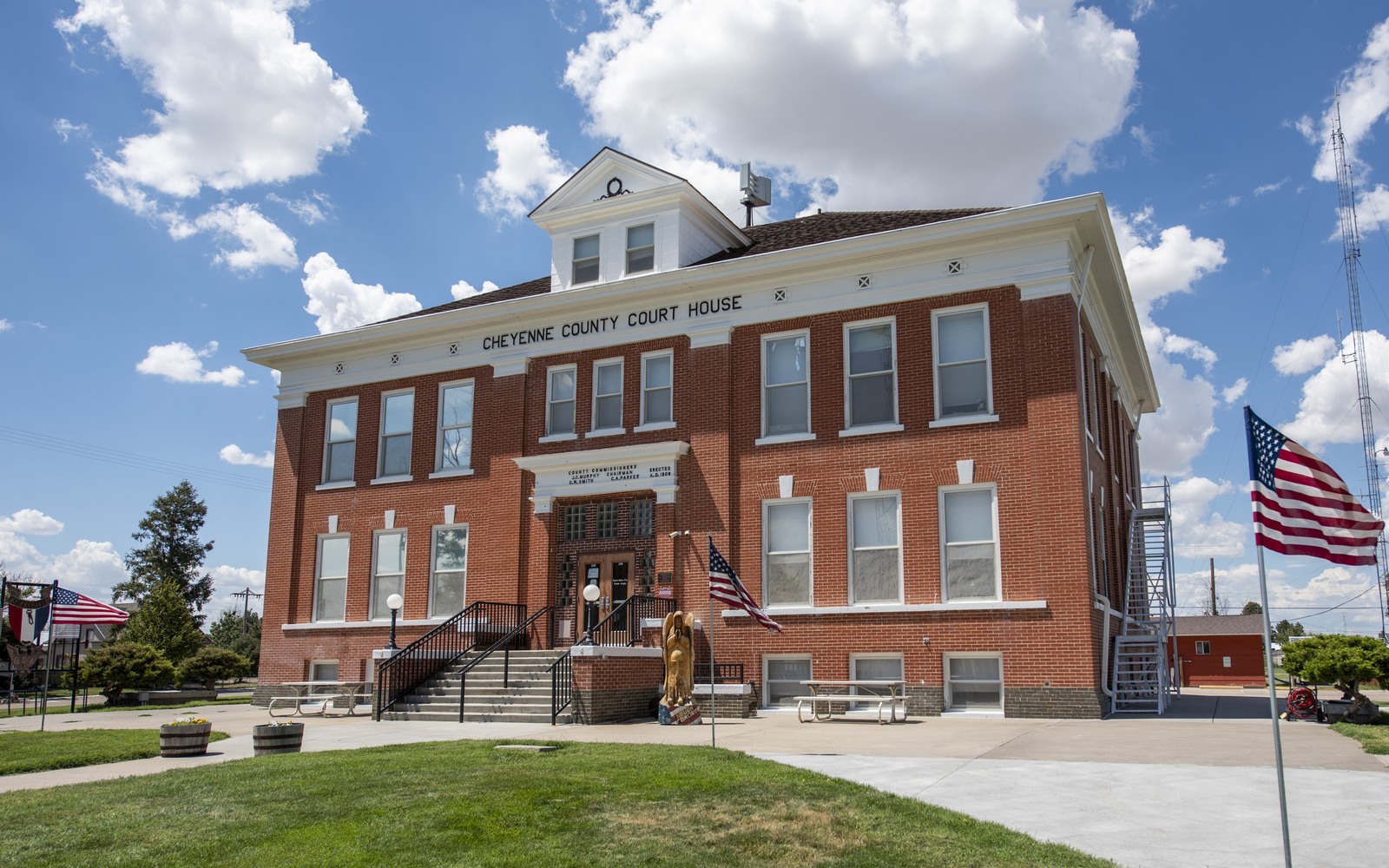
Sell Mineral Rights in Cheyenne County, CO
Out on Colorado's far eastern plains, near the Kansas line, Cheyenne County's oil history runs through decades of shallow conventional wells rather than the horizontal Niobrara pads that dominate Weld County headlines.
Cheyenne County, seated at Cheyenne Wells, sits over a much shallower and geologically simpler expression of the Niobrara chalk and Codell sandstone than the deep Wattenberg core two hundred miles to the northwest. Development here started earlier in some cases — vertical wells drilled through the mid-20th century that are still, decades later, producing small volumes as classic stripper wells. Modern horizontal drilling has made isolated appearances on the eastern plains as operators test whether the economics work at this depth and rock quality, but the pace has never matched the DJ Basin core.
That history shapes how we value interests here. A Cheyenne County mineral tract is far more likely to be evaluated on a long, low-decline stripper-well production history than on a steep new-horizontal-well curve, and the ownership behind it is often tangled up in generations of dryland wheat-farming families and old homestead patents.
Stripper wells behave differently than horizontal Wattenberg wells
A horizontal Niobrara well in Weld County typically produces most of its lifetime volume in the first two to three years, then declines sharply. A conventional vertical well of the kind common in Cheyenne County does the opposite — modest peak production early, followed by decades of low, comparatively stable output. That's the definition of a stripper well, and Colorado has plenty of them out on the eastern plains, some still owned and operated by small independent producers rather than the larger companies active in the DJ core.
If you're comparing what you've heard about Weld County mineral sales to your own Cheyenne County royalty checks, the numbers won't look alike, and that's expected — the well type and decline profile are fundamentally different, not a sign that your interest is being shortchanged.
Checkerboard ownership from homestead-era patents
Much of Cheyenne County's land was settled under federal homestead and railroad land-grant programs in the late 1800s and early 1900s, which produced a genuinely checkerboarded pattern of surface and mineral ownership across the county — alternating sections owned by different original patentees, some of whom severed minerals at the time of sale and some who didn't. Combined with a century of farm-family inheritance since, a single quarter-section can now carry mineral ownership split among a dozen or more heirs, several of whom may have moved away from Colorado entirely and lost track of what they own.
We regularly work with owners in this position who are starting from limited information — a mention of the interest in a will, or a small royalty check from decades ago with no other paperwork attached. Confirming the interest through the Cheyenne County Clerk and Recorder's deed and probate records is usually the first real step, and we can help with that research directly.
Independent operators and county-seat records
Development in Cheyenne County has historically been driven by smaller independent operators rather than the majors active in Weld County's core, which means well operator records, division orders, and lease assignments can be more scattered across smaller companies that have changed hands over the decades. The Cheyenne Wells courthouse remains the reliable source of truth for confirming who currently operates a given lease and what unit, if any, your minerals sit within.
When a lease has changed hands two or three times since it was originally signed, the paper trail can get thin fast; a title search that starts at the courthouse rather than with whatever paperwork survives in a family filing cabinet tends to save everyone time.
What a fair offer accounts for on the plains
For a producing stripper-well interest, we weight recent royalty history heavily since these wells' production is comparatively stable and predictable year to year. For a non-producing interest, we check whether any operator holds an active lease on the tract and what, if any, new permitting activity has appeared nearby — eastern-plains activity is sparser than the DJ core, so a realistic offer reflects that lower probability of near-term new drilling rather than pricing the tract as if it sat in Weld County.
Check the Assumption Before It Enters the Schedule
Why is your Cheyenne County royalty check so much smaller than what you have heard about Weld County?
Cheyenne County wells are typically shallower conventional stripper wells with lower per-well volumes than a modern Weld County horizontal Niobrara well. Lower checks don't necessarily mean your interest is undervalued — it reflects a genuinely different well type and depth.
A Colorado mineral-owning family's minerals came from an old homestead patent — How do you confirm what we own?
Start with the deed and probate chain at the Cheyenne County Clerk and Recorder in Cheyenne Wells. Homestead-era severances and checkerboard ownership are common here, and we can help trace the chain if records are incomplete.
Is there any active drilling interest in Cheyenne County right now?
Activity is sparser than the DJ Basin core but not zero — smaller independent operators periodically test horizontal completions on the eastern plains. We check current state permit filings against your specific tract before quoting rather than assuming county-wide trends apply.
Can you buy a very old stripper-well royalty interest?
Yes. Long-producing conventional interests are common in this part of the state, and their stable, well-documented decline history is usually one of the easier interest types to price accurately.