
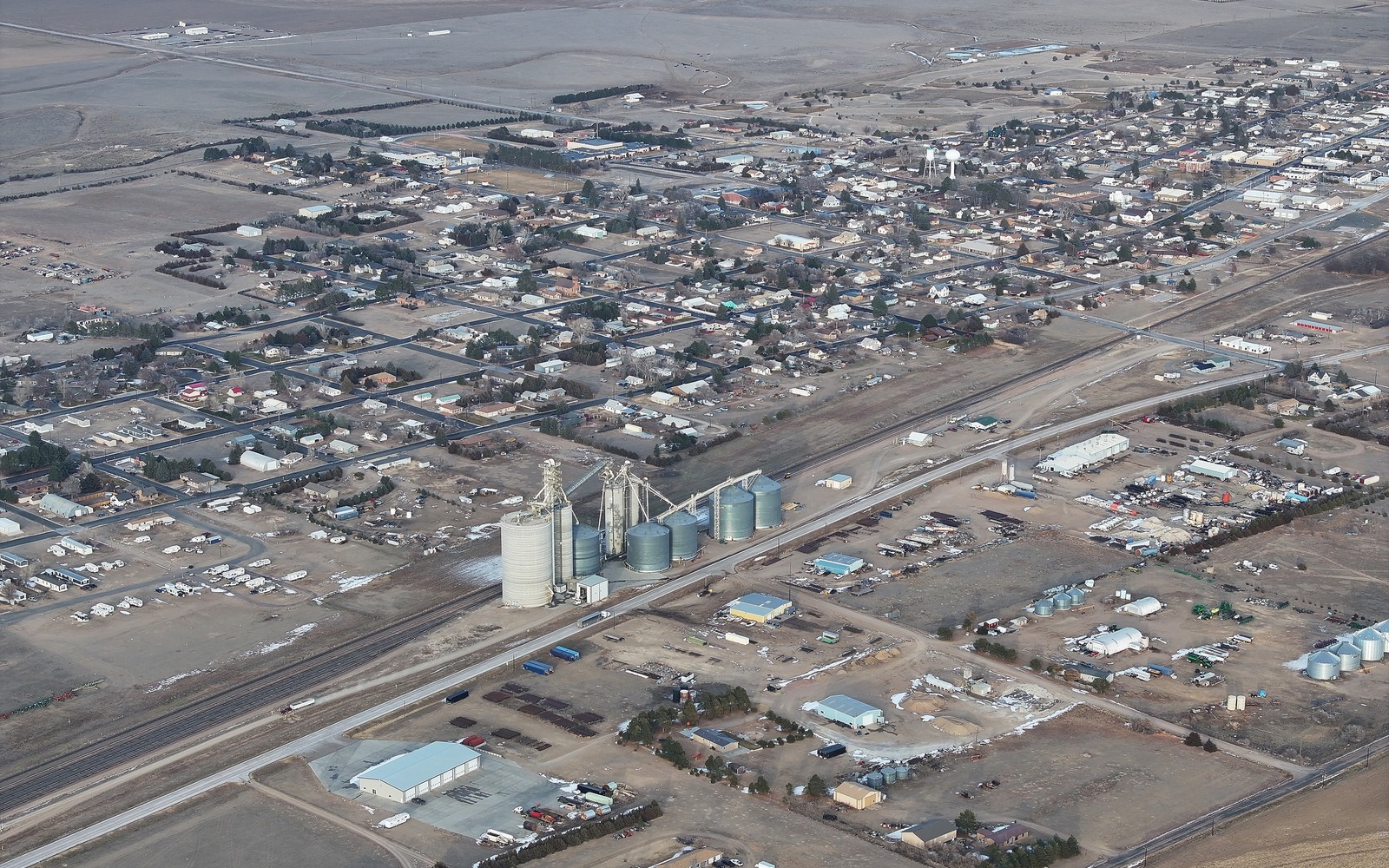
Sell Mineral Rights in Cheyenne Wells, CO
Cheyenne Wells is the county seat of Cheyenne County, and its courthouse holds the deed and probate history behind most of the mineral interests connected to this far corner of Colorado's eastern plains.
Development here has run on a slower, shallower track than the DJ Basin's Wattenberg core for as long as the county has produced oil — vertical stripper wells drilled by small independent operators, some going back many decades, rather than the multi-well horizontal pads that define modern Weld County activity. If your family holds minerals connected to a Cheyenne Wells-area legal description, the courthouse record is the most reliable place to confirm exactly what you own and whether it's ever been leased.
Stripper-well economics on the plains
A conventional vertical well in this part of the county typically shows modest peak production followed by decades of low, comparatively stable output — the classic stripper-well pattern. That means recent royalty history, if you have it, is usually a more reliable guide to your interest's value than any story about basin-wide activity, since these wells' performance stays fairly consistent year to year rather than swinging sharply.
Independent operators and scattered records
Because smaller independent companies have historically driven development here rather than the majors active in Weld County, well operator records and lease assignments can be scattered across companies that have changed hands multiple times over the decades. The Cheyenne County Clerk and Recorder's office in town remains the reliable source for confirming who currently operates a given lease.
What a realistic offer looks like here
For producing interests, we weight recent royalty history heavily given how stable stripper-well production tends to be. For non-producing interests, we check current lease status and any nearby permitting, pricing against the eastern plains' genuinely lower activity level rather than assuming DJ Basin-core odds apply.
Anchor the Area to the Colorado Record
An area brief should identify the local property context without substituting a city or county label for tract evidence. The file connects the local tract to the legal description, ownership fraction, formation, producing unit, operator, lease position, paid decimal, statement history, and nearby activity. County records, state well information, payor documents, and the owner file may each answer a different part of the schedule. The review should preserve those source differences rather than smoothing them into a generic statewide summary.
Compare Local Tracts Through the Same Evidence Lines
A local tract can be compared with other Colorado interests only after the same evidence lines are populated: recorded right, paid interest, production, decline, lease burdens, inventory signals, title risk, and written offer scope. Basin proximity, operator activity, or a nearby completion can add context but does not guarantee development. A useful written comparison states the date of the evidence, the assumptions included, the property excluded, and the title or timing condition that could still change the result.
Check the Assumption Before It Enters the Schedule
Where Do you start confirming what you own near Cheyenne Wells?
The Cheyenne County Clerk and Recorder's deed and probate records at the courthouse are the reliable starting point, and we can help pull and interpret them.
Why are eastern-plains stripper wells valued differently than Weld County horizontals?
They produce lower volumes but decline much more slowly and steadily, which changes how we build a decline curve and price the interest compared to a front-loaded horizontal well.
Is there any new drilling activity in the county right now?
Sparser than the DJ Basin core, though smaller independent operators periodically test the area. We check current filings against your specific legal description.
Can you buy an old stripper-well interest that's been in the family for decades?
Yes, this is one of the more common and straightforward interest types we evaluate in this part of the state.