
Sell Mineral Rights in Cokedale, CO
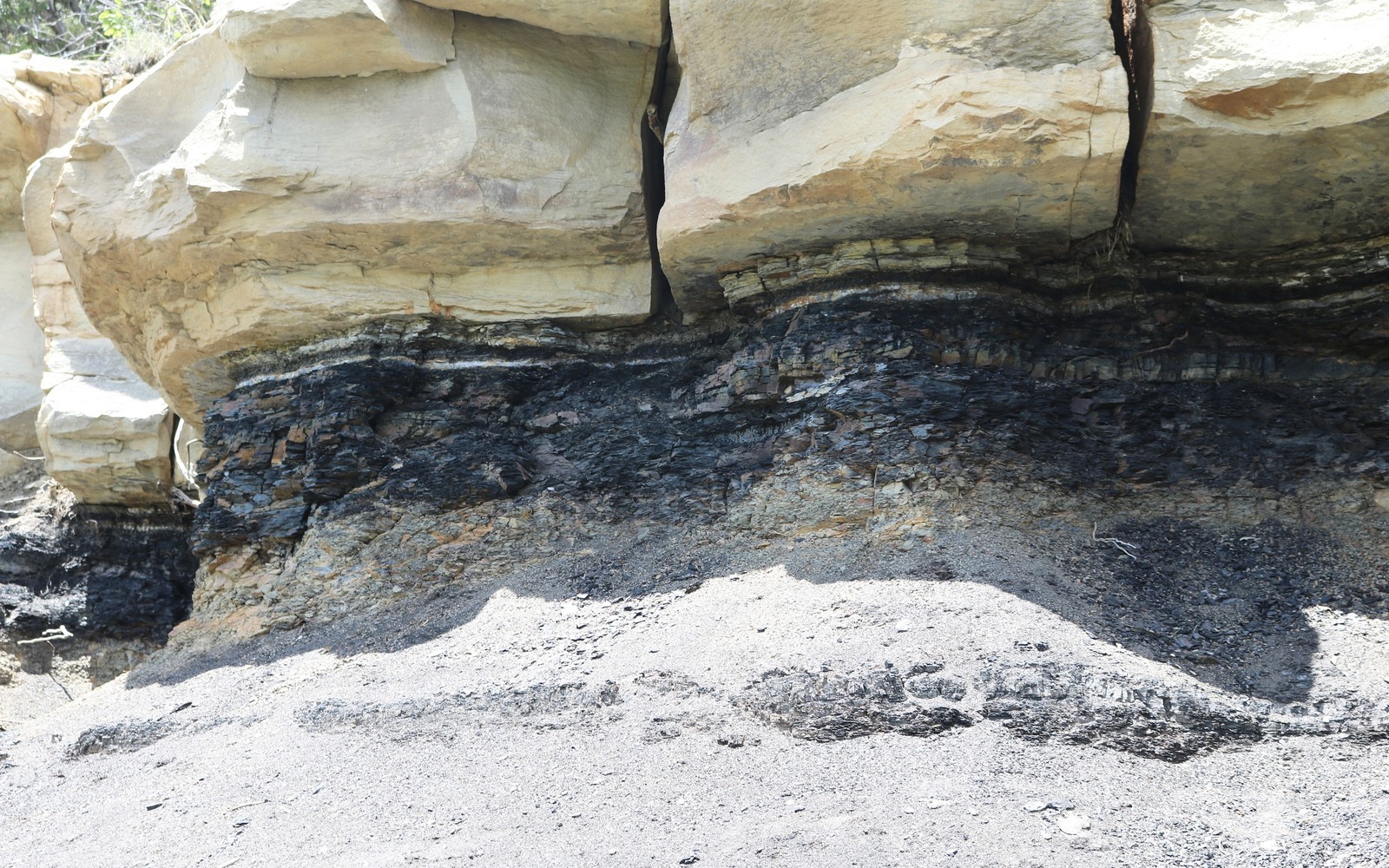
Cokedale is a small, historic company town founded for coal coking operations in the early 1900s, sitting within Las Animas County's Raton Basin, where the same coal seams that once fed the coking ovens are the source rock for the region's modern coalbed methane production.
That layered history matters for mineral ownership: some interests here trace back to old coal leases from the mining era, while more recent coalbed methane production rights were established separately as CBM technology made the same coal seams commercially producible for gas decades after the coking operations shut down. Sorting out which type of interest your family holds is part of any accurate evaluation.
Coal rights versus gas rights
A deed that reserved coal rights isn't automatically the same as one covering coalbed methane gas rights — Colorado law and individual deed language have handled this distinction differently depending on when the reservation was made. If your family's documentation only mentions coal, it's worth having the language reviewed specifically for whether it also covers the gas produced from that same coal seam.
What we check for a Cokedale-area interest
We review your deed language carefully to confirm whether it covers gas rights alongside or instead of coal rights, check current CBM lease and production status through the state and the Las Animas County Clerk and Recorder, and build a decline curve from actual royalty history where the interest has produced.
Small legacy interests split among descendants
Mineral or coal-and-gas interests connected to Cokedale-area land have frequently split among multiple descendants of the original mining-era leaseholders or landowners over the past century. We can work with one family member coordinating on behalf of several heirs, or buy an individual co-owner's share directly, whichever is more practical.
Anchor the Area to the Colorado Record
An area brief should identify the local property context without substituting a city or county label for tract evidence. The file connects the local tract to the legal description, ownership fraction, formation, producing unit, operator, lease position, paid decimal, statement history, and nearby activity. County records, state well information, payor documents, and the owner file may each answer a different part of the schedule. The review should preserve those source differences rather than smoothing them into a generic statewide summary.
Compare Local Tracts Through the Same Evidence Lines
A local tract can be compared with other Colorado interests only after the same evidence lines are populated: recorded right, paid interest, production, decline, lease burdens, inventory signals, title risk, and written offer scope. Basin proximity, operator activity, or a nearby completion can add context but does not guarantee development. A useful written comparison states the date of the evidence, the assumptions included, the property excluded, and the title or timing condition that could still change the result.
Check the Assumption Before It Enters the Schedule
A Colorado mineral-owning family's deed only mentions coal — do we still own the gas rights?
It depends on the specific deed language and when it was written. We review this carefully as part of any evaluation to confirm what you actually hold.
Is there current CBM production near Cokedale?
We check current state filings and unit status against your specific legal description rather than assuming based on the town's coal mining history alone.
How do you get your deed reviewed?
Send us a copy if you have one, or we can pull the recorded deed from the Las Animas County Clerk and Recorder directly.
Can you buy just your share of a family interest split among several heirs?
Yes, we can purchase an individual co-owner's percentage without requiring the entire family to sell together.