Sell Mineral Rights in Berthoud, CO
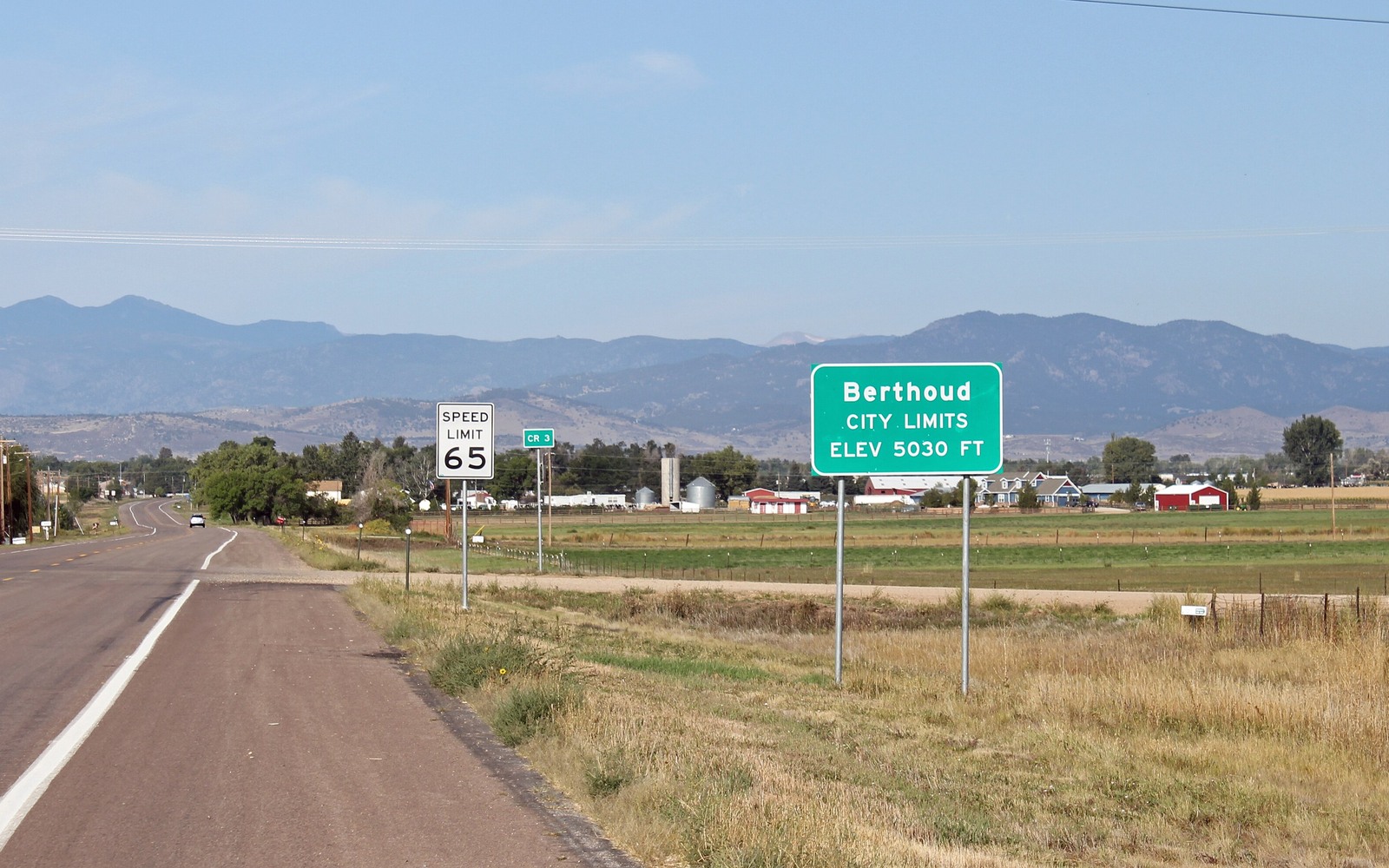
Berthoud sits close to the Larimer-Weld county line, near enough to the northern reach of the Wattenberg Field that mineral interests here can carry real value depending on the exact legal description.
The town itself has grown as a bedroom community for the Fort Collins-Loveland-Longmont corridor, but the surrounding agricultural land on the Weld County side has seen its share of Niobrara-Codell horizontal development over the past decade. Where your interest sits relative to that county line, and relative to existing units, matters more here than almost anywhere else on this list.
Larimer side versus Weld side
Larimer County has generally seen less horizontal drilling activity than Weld, partly due to different local regulatory postures and partly because the very best Wattenberg rock sits further south and east. If your legal description falls on the Larimer side, temper expectations relative to a Weld County tract of similar size; if it's on the Weld side, it's worth checking current unit boundaries closely.
What we verify before an offer
We confirm which county your tract sits in, check for any existing lease or unit assignment, and review royalty statements if the interest has produced. Berthoud-area owners sometimes hold interests that were leased years ago but never developed, which we price against current permitting trends rather than the original lease terms.
Small legacy interests from farm-era severances
Much of the ground around Berthoud was originally farmed, and mineral rights were commonly reserved or sold off separately as that land changed hands over the decades. A current owner might hold a fractional interest inherited from a grandparent with no clear memory of whether it was ever leased. We treat that as a normal starting point, not a complication, and walk through the deed history together before settling on a number.
Anchor the Area to the Colorado Record
An area brief should identify the local property context without substituting a city or county label for tract evidence. The file connects the local tract to the legal description, ownership fraction, formation, producing unit, operator, lease position, paid decimal, statement history, and nearby activity. County records, state well information, payor documents, and the owner file may each answer a different part of the schedule. The review should preserve those source differences rather than smoothing them into a generic statewide summary.
Compare Local Tracts Through the Same Evidence Lines
A local tract can be compared with other Colorado interests only after the same evidence lines are populated: recorded right, paid interest, production, decline, lease burdens, inventory signals, title risk, and written offer scope. Basin proximity, operator activity, or a nearby completion can add context but does not guarantee development. A useful written comparison states the date of the evidence, the assumptions included, the property excluded, and the title or timing condition that could still change the result.
Check the Assumption Before It Enters the Schedule
Does it matter which side of the county line your mineral rights are on?
Yes, meaningfully. Weld County generally has more active Wattenberg development than the Larimer County side near Berthoud, which affects realistic development odds and therefore value.
your lease was signed years ago and nothing's happened — is it still active?
It depends on the lease's specific terms and whether it's been held by production elsewhere in a pooled unit. We review this as part of any evaluation.
Can you evaluate your mineral interest quickly?
Yes, once we have your legal description we can typically check current unit and permit status within a few business days.
Your mineral interest is a small fraction inherited from a grandparent — is it worth pursuing?
Often yes, especially if it sits near active Wattenberg acreage on the Weld County side. We routinely evaluate small legacy fractional interests like this.