
Sell Mineral Rights in Brick Center, CO
Brick Center is a small rural crossroads community in Arapahoe County, surrounded by the kind of open dryland and irrigated farmland where mineral severances have a long, quiet history.
Interests tied to this area typically go back to farm and ranch deeds where the mineral estate was reserved or sold independently of the surface generations ago. Because the surrounding land has stayed agricultural rather than being subdivided for housing, the underlying question for most owners here isn't about surface-use conflicts — it's about whether the tract sits near any current or historical DJ Basin activity at all.
Southern flank of the DJ Basin
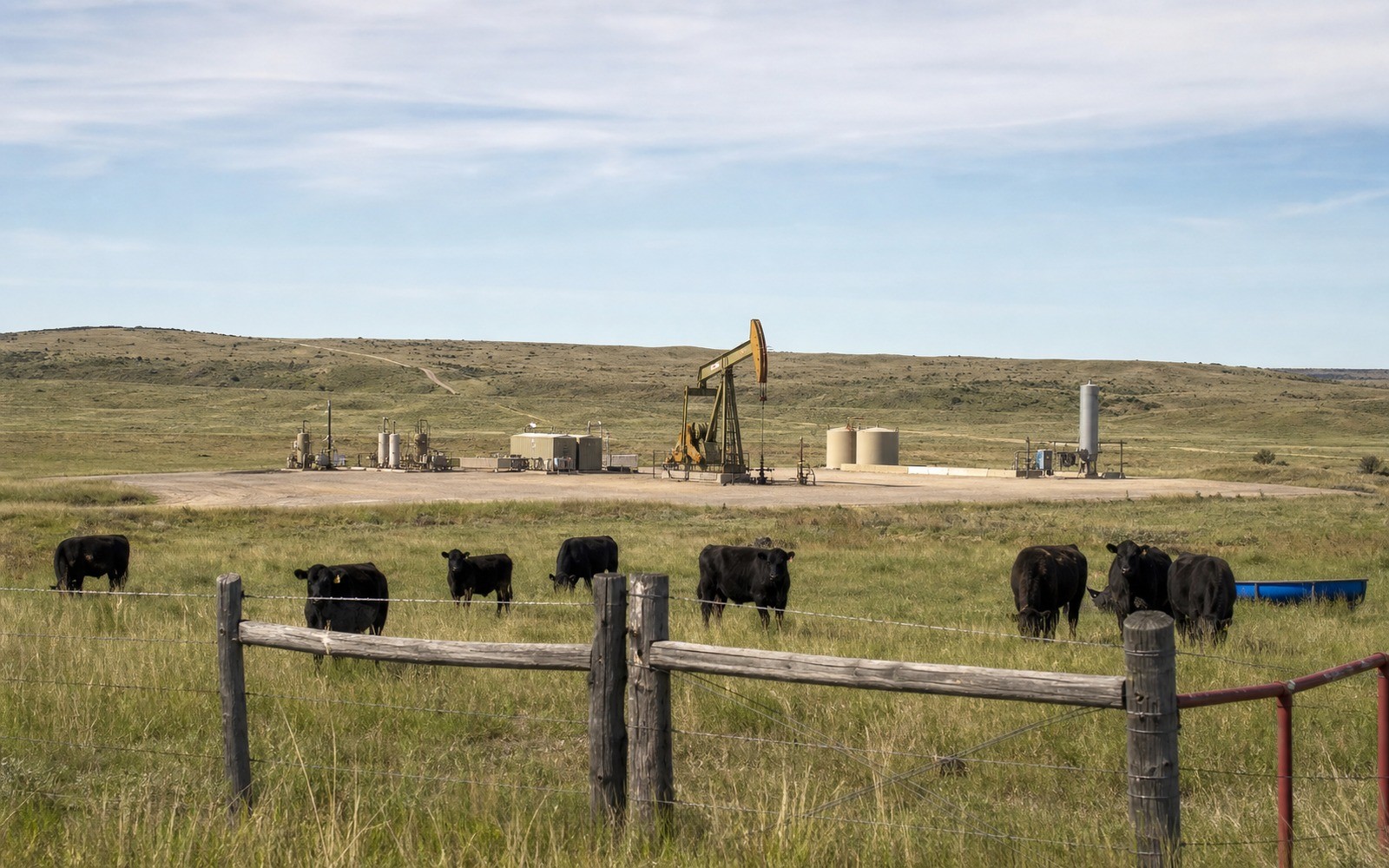
This part of Arapahoe County sits on the southern flank of the DJ Basin rather than in the dense Wattenberg core further north. Activity here has historically been lighter and more sporadic, tied to individual operators testing specific leases rather than the large-scale multi-well pad development common in Weld County.
What determines an offer here
For a producing interest, recent royalty statements and the well's decline trend drive the number. For a non-producing interest, we check current lease status and any nearby permit filings, and price realistically against the lower activity level typical of this part of the basin rather than assuming Weld County-level development odds.
Checking the record before assuming inactivity
Because activity in this stretch of the county is sporadic rather than absent, it's worth checking the actual state permit and unit record before assuming a family interest has never been touched. Operators sometimes lease acreage broadly and only drill a fraction of it, so a tract can sit under an active lease for years with no well ever sited on it, which shows up differently in the record than an interest with no lease at all.
Anchor the Area to the Colorado Record
An area brief should identify the local property context without substituting a city or county label for tract evidence. The file connects the local tract to the legal description, ownership fraction, formation, producing unit, operator, lease position, paid decimal, statement history, and nearby activity. County records, state well information, payor documents, and the owner file may each answer a different part of the schedule. The review should preserve those source differences rather than smoothing them into a generic statewide summary.
Compare Local Tracts Through the Same Evidence Lines
A local tract can be compared with other Colorado interests only after the same evidence lines are populated: recorded right, paid interest, production, decline, lease burdens, inventory signals, title risk, and written offer scope. Basin proximity, operator activity, or a nearby completion can add context but does not guarantee development. A useful written comparison states the date of the evidence, the assumptions included, the property excluded, and the title or timing condition that could still change the result.
Check the Assumption Before It Enters the Schedule
Is there active drilling near Brick Center?
Activity in this part of Arapahoe County is generally lighter than the Wattenberg core. We check current permits against your specific legal description rather than assuming basin-wide trends apply.
A Colorado mineral-owning family has held this interest for generations without leasing it — is that unusual?
No, that's common for farmland minerals in the southern DJ Basin flank, where development has been more sporadic than in Weld County.
What paperwork helps speed up an offer?
A deed showing the mineral reservation, plus any lease or division order paperwork if the interest has ever been leased or produced.
How do you know if your tract is under an active lease even without a well?
We check the county and state lease and permit record directly rather than relying on whether you've personally received any correspondence about it. That way we can give you an accurate number instead of guessing.