
Sell Mineral Rights in Aristocrat Ranchettes, CO
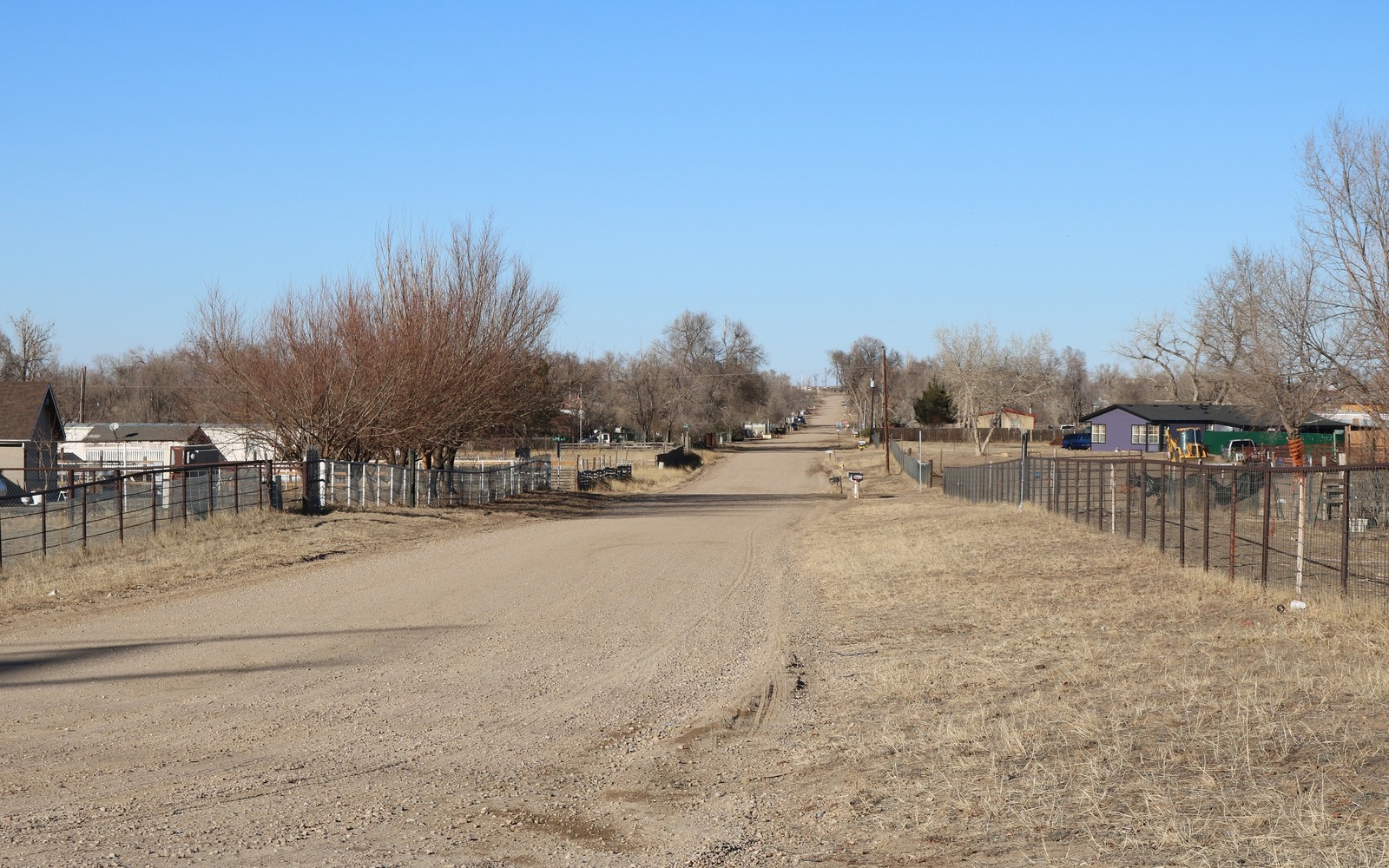
Aristocrat Ranchettes, a rural residential subdivision in Weld County, sits close enough to the productive core of the Wattenberg Field that mineral interests here deserve a real look rather than a guess.
Ranchette subdivisions like this one were typically platted on land that had been in agricultural use for generations, and mineral rights were frequently reserved by the original landowner or a prior seller before the ranchette lots were ever created. If you own minerals tied to a legal description in this area, they may sit inside or adjacent to an active Niobrara-Codell horizontal unit, which is worth confirming before assuming your interest is dormant.
Core Wattenberg geology
Weld County holds the productive heart of the DJ Basin's Niobrara and Codell benches, and operators have drilled extensively throughout the county for over a decade using multi-well horizontal pads. A tract near Aristocrat Ranchettes has a meaningfully higher chance of sitting inside a currently producing unit than similar acreage in the suburban Denver counties to the south.
What we check before quoting
We pull current unit and permit data from the state's Energy and Carbon Management Commission against your legal description, and if the interest has produced, we build a decline curve from actual royalty statements rather than a generic type curve. Ranchette-era severances can be small fractional interests, and we buy those routinely.
Why timing matters near an active unit
When a tract sits inside or next to an active Wattenberg unit, the value of a mineral interest can shift as the well's production moves through its decline curve. A newly turned-in-line well pays more in its first eighteen months than it will five years later, so if you're weighing a sale against holding for future royalty income, it helps to know roughly where the well sitting on your unit is in its production life before deciding.
Anchor the Area to the Colorado Record
An area brief should identify the local property context without substituting a city or county label for tract evidence. The file connects the local tract to the legal description, ownership fraction, formation, producing unit, operator, lease position, paid decimal, statement history, and nearby activity. County records, state well information, payor documents, and the owner file may each answer a different part of the schedule. The review should preserve those source differences rather than smoothing them into a generic statewide summary.
Compare Local Tracts Through the Same Evidence Lines
A local tract can be compared with other Colorado interests only after the same evidence lines are populated: recorded right, paid interest, production, decline, lease burdens, inventory signals, title risk, and written offer scope. Basin proximity, operator activity, or a nearby completion can add context but does not guarantee development. A useful written comparison states the date of the evidence, the assumptions included, the property excluded, and the title or timing condition that could still change the result.
Check the Assumption Before It Enters the Schedule
Is your ranchette-area interest inside a producing unit?
Possibly — this area sits close to core Wattenberg acreage. We check your specific legal description against current unit boundaries before quoting.
How small of an interest will you buy?
We regularly buy small fractional interests that came from ranchette-era severances split across multiple heirs.
What if you've never received a royalty check?
That doesn't mean the interest has no value. We evaluate non-producing tracts against nearby permitting and unit activity.
Should you sell now or wait for more production history?
It depends on where the well is in its decline. We'll walk through the current production data with you so you can weigh a lump-sum offer against continuing to collect royalties. Neither choice is wrong, but it should be an informed one rather than a guess.