
Sell Mineral Rights in Yuma, CO
Yuma is dryland wheat and cattle country sitting on the marginal eastern edge of the Niobrara, and pricing here has to reflect that honestly.
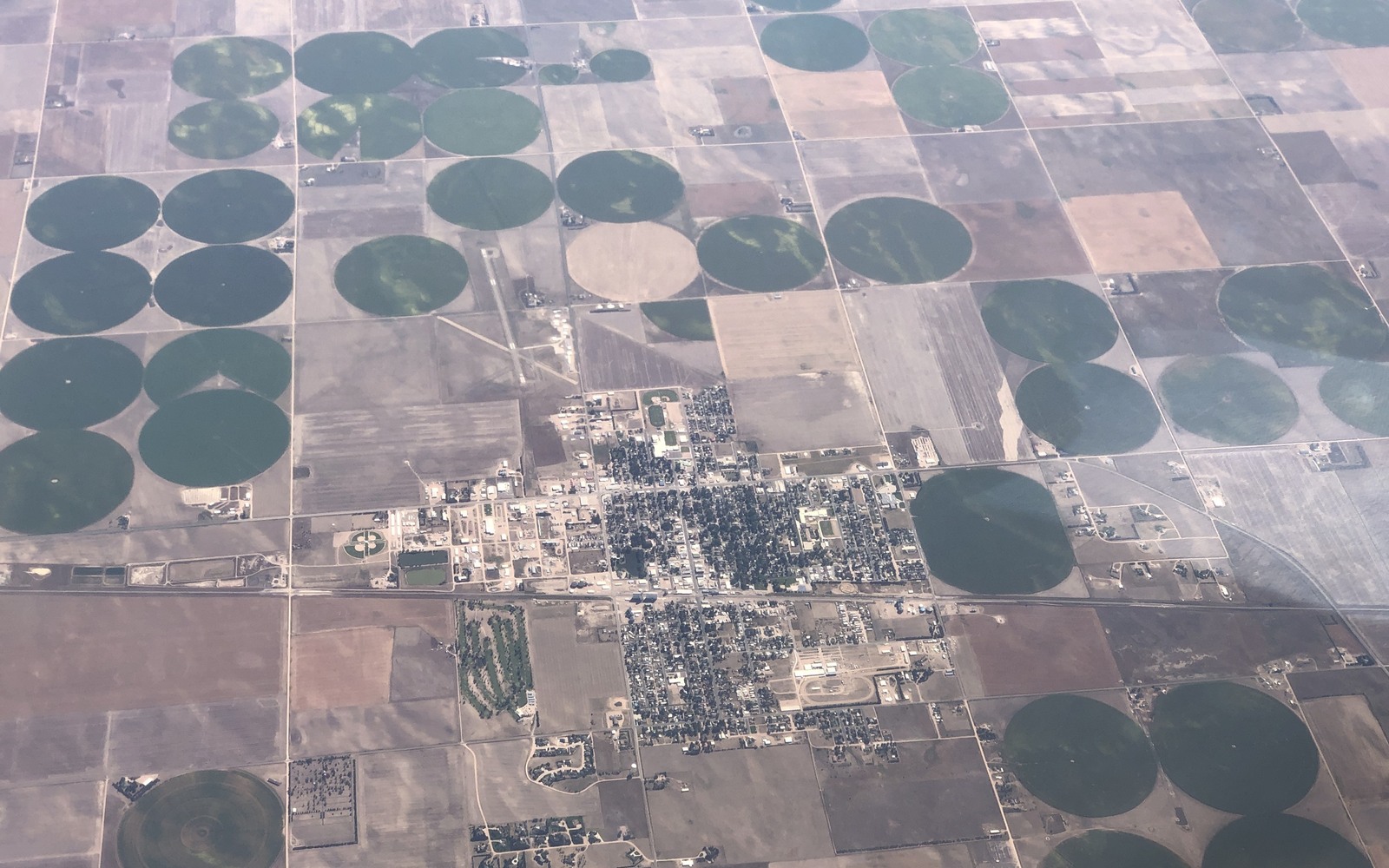
The town of Yuma anchors the agricultural heart of Yuma County, well east of the deep Wattenberg core, where the Niobrara formation runs shallower and less consistently productive. Legacy vertical wells make up a meaningful share of production in this stretch of the county, and mineral ownership is typically tied to farmland held by the same families for generations.
The town of Yuma's grain terminals and cattle operations are a reminder that agriculture, not oil and gas, still drives the local economy here, with mineral income as a secondary source of value for most families.
What eastern-margin Niobrara economics look like
Well results around Yuma are more variable than in the Wattenberg core, section to section, which is part of why we don't quote a flat countywide number. We look at whether nearby wells are currently producing, what their decline curve looks like, and whether recent horizontal test activity has moved into your specific area before pricing your interest.
Stripper wells and long-tail production
Some legacy vertical wells around Yuma have been producing at low, stable rates for years, essentially stripper production. That's not a red flag for value, it's simply a different kind of asset than a newly drilled horizontal well, one with a long, predictable production history that we can price with confidence.
Confirming your share through the county record
We pull your chain of title through the Yuma County Clerk and Recorder in Wray, confirm your net mineral acreage against any current division order, and price against comparable eastern plains transactions.
Anchor the Area to the Colorado Record
An area brief should identify the local property context without substituting a city or county label for tract evidence. The file connects the local tract to the legal description, ownership fraction, formation, producing unit, operator, lease position, paid decimal, statement history, and nearby activity. County records, state well information, payor documents, and the owner file may each answer a different part of the schedule. The review should preserve those source differences rather than smoothing them into a generic statewide summary.
Compare Local Tracts Through the Same Evidence Lines
A local tract can be compared with other Colorado interests only after the same evidence lines are populated: recorded right, paid interest, production, decline, lease burdens, inventory signals, title risk, and written offer scope. Basin proximity, operator activity, or a nearby completion can add context but does not guarantee development. A useful written comparison states the date of the evidence, the assumptions included, the property excluded, and the title or timing condition that could still change the result.
Check the Assumption Before It Enters the Schedule
Is your mineral interest worth less because it's not near Weld County?
It's typically valued differently, not automatically less. We price against comps specific to the eastern plains Niobrara rather than deep Wattenberg core numbers.
What is a stripper well and does that affect your offer?
It's a low-volume well nearing the end of its economic life. It still generates a documented cash flow stream that we price against, just at a different multiple than a newer well.
How do you confirm your ownership share?
Through the Yuma County Clerk and Recorder's deed and division order records, tracing back to the original land patent where needed.
Is oil and gas a major part of Yuma's local economy?
It's a secondary source of income for most local families compared to farming and ranching, which is part of why mineral sales here tend to be more deliberate, planned decisions than urgent ones.