
Sell Mineral Rights in Yuma County, CO
Yuma County is the DJ Basin's quieter eastern edge, dryland farm ground where legacy vertical production and homestead-era ownership shape almost every transaction we work here.
Yuma County sits at the far eastern reach of Colorado's D-J Basin, where the Niobrara and Codell formations run shallower and generally less prolific than they do in the deep Wattenberg core two hours west in Weld County. This is dryland wheat, corn, and cattle country, and it's been that way since homesteaders claimed the land under federal patents in the early 20th century, decades before anyone drilled the first well here.
Because the geology and the development history are genuinely different from the DJ Basin's core, we treat Yuma County as its own market rather than pricing it off Weld County comps. What follows is how we actually think about a Yuma County mineral interest.
Eastern margin geology and well economics
The Niobrara chalk and underlying Codell sandstone extend across much of Yuma County, but reservoir quality and thickness generally decline moving east away from the Wattenberg core, and well results here are more variable section to section than in central Weld County. That variability is exactly why we look at nearby producing wells and any recent horizontal test activity in your specific township before quoting a number, rather than applying a flat countywide figure.
A meaningful share of Yuma County's historical production also comes from older vertical wells drilled well before the current horizontal drilling era, some going back decades. These wells have settled into long, low-volume decline curves, essentially stripper production, which is a different kind of asset to value than a newly completed horizontal well but not a lesser one; a mature well's long production history actually gives us a more reliable curve to price against.
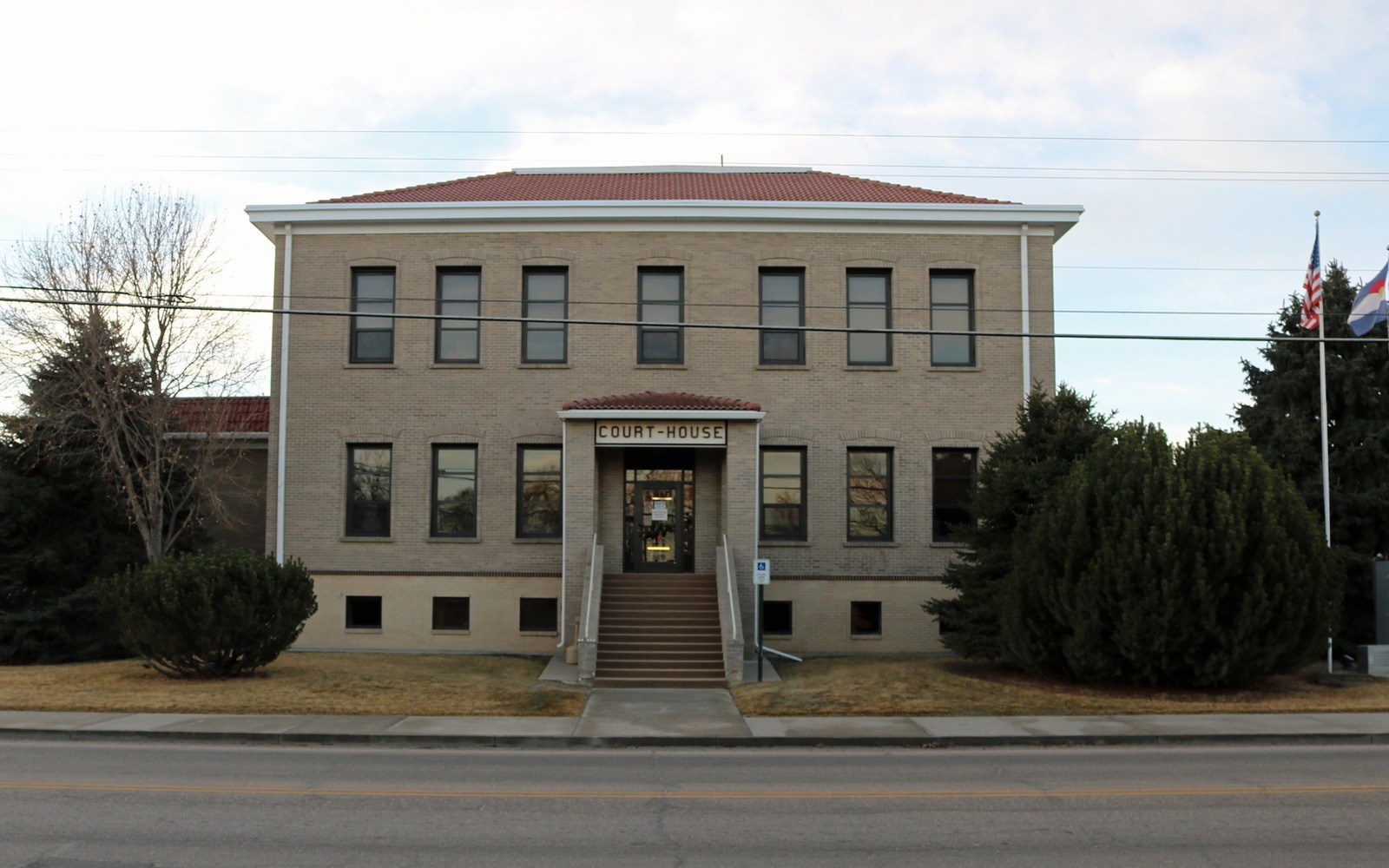
What the Wray courthouse tells us
Every Yuma County offer starts with the record. We pull your deed history through the county Clerk and Recorder, verify the mineral reservation survived every subsequent transfer of the surface, cross-check any existing division order or lease, and confirm whether your tract sits inside a current or historical spacing unit before landing on a price. Yuma County land records run further back than most Front Range counties in continuous single-family ownership, which can actually make the chain easier to trace once we're past the original patent.
Rural surface, fewer local siting disputes
Unlike the Front Range suburbs where SB 19-181 triggered years of local setback fights between operators and residential neighborhoods, Yuma County's surface remains almost entirely agricultural. That means operators here generally don't face the same local permitting friction seen in places like Adams or Broomfield County, which tends to make development timelines more predictable once a well is economically justified, even if overall drilling pace is slower than in the Wattenberg core.
Homestead-era ownership and fractionalized heirs
Nearly all of Yuma County's private land was originally claimed under the Homestead Act or similar federal land patents, section by section, in the decades around 1900. Mineral interests today routinely trace back to those original patents, and after four or five generations of inheritance it's common to find a single quarter section's mineral estate split among a dozen or more living heirs, each holding a small fractional percentage.
That inheritance pattern is the single biggest complicating factor in a Yuma County transaction. Before we quote anything, we build the chain of title back through as many transfers as it takes, using the Yuma County Clerk and Recorder's office in Wray, to confirm exactly what percentage you personally hold today. It's common for a fractional owner to have no idea their family still held anything until a landman or a title search surfaces it.
Check the Assumption Before It Enters the Schedule
Why is Yuma County priced differently than Weld County?
The Niobrara and Codell run shallower and less consistently productive toward the eastern plains, so well economics and royalty value here are generally lower than in the deep Wattenberg core. We price against eastern-margin comps specific to Yuma County.
A Colorado mineral-owning family has owned this mineral interest since the original homestead. How do you confirm your share?
We trace the chain of title through the Yuma County Clerk and Recorder in Wray back to the original land patent, confirming every transfer and inheritance along the way to establish your exact fractional interest.
Is a legacy stripper well interest still worth selling?
Yes. A mature, low-volume well has a long, well-documented decline curve, which lets us price it with real confidence even though the monthly volumes are modest.
Does Yuma County face the same local drilling restrictions as Front Range suburbs?
Generally not to the same degree. The surface here remains largely agricultural, so operators face fewer local setback disputes than in residential Front Range counties, though overall drilling pace still depends on commodity pricing.
How long does closing take on a Yuma County interest?
Once we've confirmed your chain of title through the county record, most Yuma County transactions close within three to four weeks, sometimes longer if the heir chain is complex.