
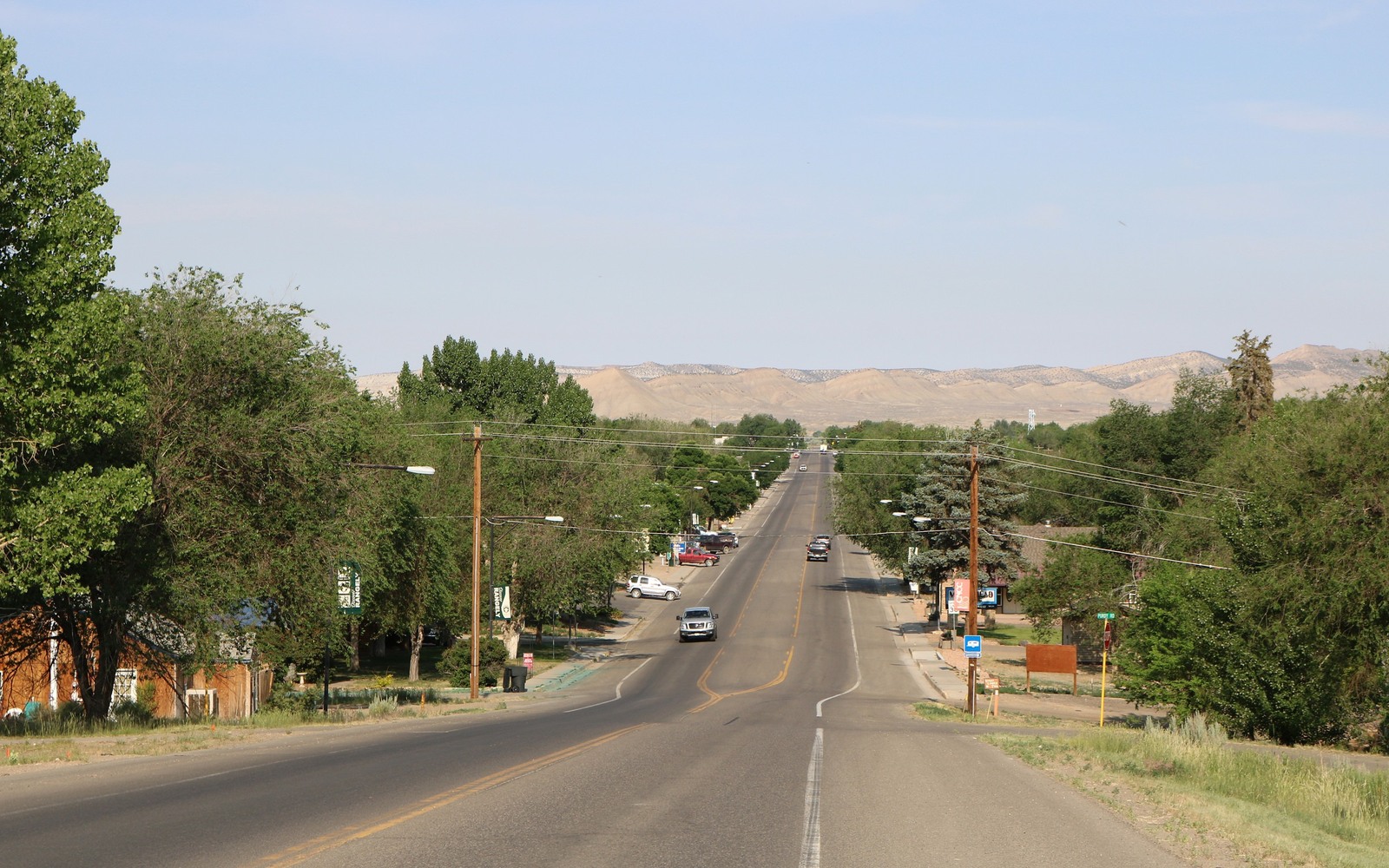
Sell Mineral Rights in Rangely, CO
Rangely sits on top of one of Colorado's largest and longest-producing oil fields, discovered in the 1930s and still yielding oil today thanks to decades of enhanced recovery work.
The Rangely oil field is a different animal from the shale-driven Niobrara and Piceance gas plays elsewhere in the state. Chevron has operated a long-running carbon dioxide flood here since the 1980s, injecting CO2 to push additional oil out of the Weber sandstone reservoir long after primary production would have otherwise tapered off. If your family held mineral rights around Rangely, there's a good chance they've been collecting royalties, in some form, for two, three, or more generations.
Why enhanced recovery changes the value conversation
A CO2-flood field behaves very differently than a typical shale decline curve. Rather than a sharp early peak followed by rapid decline, enhanced recovery projects can sustain meaningful production for decades, with output tied to ongoing injection economics rather than the original reservoir pressure alone. That means valuing a Rangely interest requires looking at the field's current recovery program status, not only historical production averages.
Because the field has been under unitized development for so long, most Rangely-area mineral interests sit inside an established unit agreement rather than an individual well-by-well lease, which is worth understanding clearly before any sale.
What we check for a Rangely-area interest
We confirm your specific participation in the Rangely unit through Rio Blanco County clerk and recorder records and COGCC filings, pull current production allocation data, and value the interest against the field's actual current output rather than its historical peak from the 1950s or 1960s.
Anchor the Area to the Colorado Record
An area brief should identify the local property context without substituting a city or county label for tract evidence. The file connects the local tract to the legal description, ownership fraction, formation, producing unit, operator, lease position, paid decimal, statement history, and nearby activity. County records, state well information, payor documents, and the owner file may each answer a different part of the schedule. The review should preserve those source differences rather than smoothing them into a generic statewide summary.
Compare Local Tracts Through the Same Evidence Lines
A local tract can be compared with other Colorado interests only after the same evidence lines are populated: recorded right, paid interest, production, decline, lease burdens, inventory signals, title risk, and written offer scope. Basin proximity, operator activity, or a nearby completion can add context but does not guarantee development. A useful written comparison states the date of the evidence, the assumptions included, the property excluded, and the title or timing condition that could still change the result.
Check the Assumption Before It Enters the Schedule
Is the Rangely field still producing today?
Yes, through an ongoing CO2 enhanced recovery program that has extended the field's productive life well beyond what primary production alone would have achieved.
What does it mean that your mineral interest is unitized?
It means your royalty is allocated based on a formula covering the whole field unit rather than tied to one specific well, which is standard for a field under enhanced recovery like Rangely.
How does CO2 flood production affect your royalty payments?
It can sustain steadier, longer-term production than a typical shale decline, though payments still depend on oil prices and the operator's ongoing injection economics.
How do you find your current unit participation percentage?
That's typically documented in your division order or the original unit agreement filed with the Rio Blanco County clerk and recorder. We can help track it down if you no longer have a copy.