
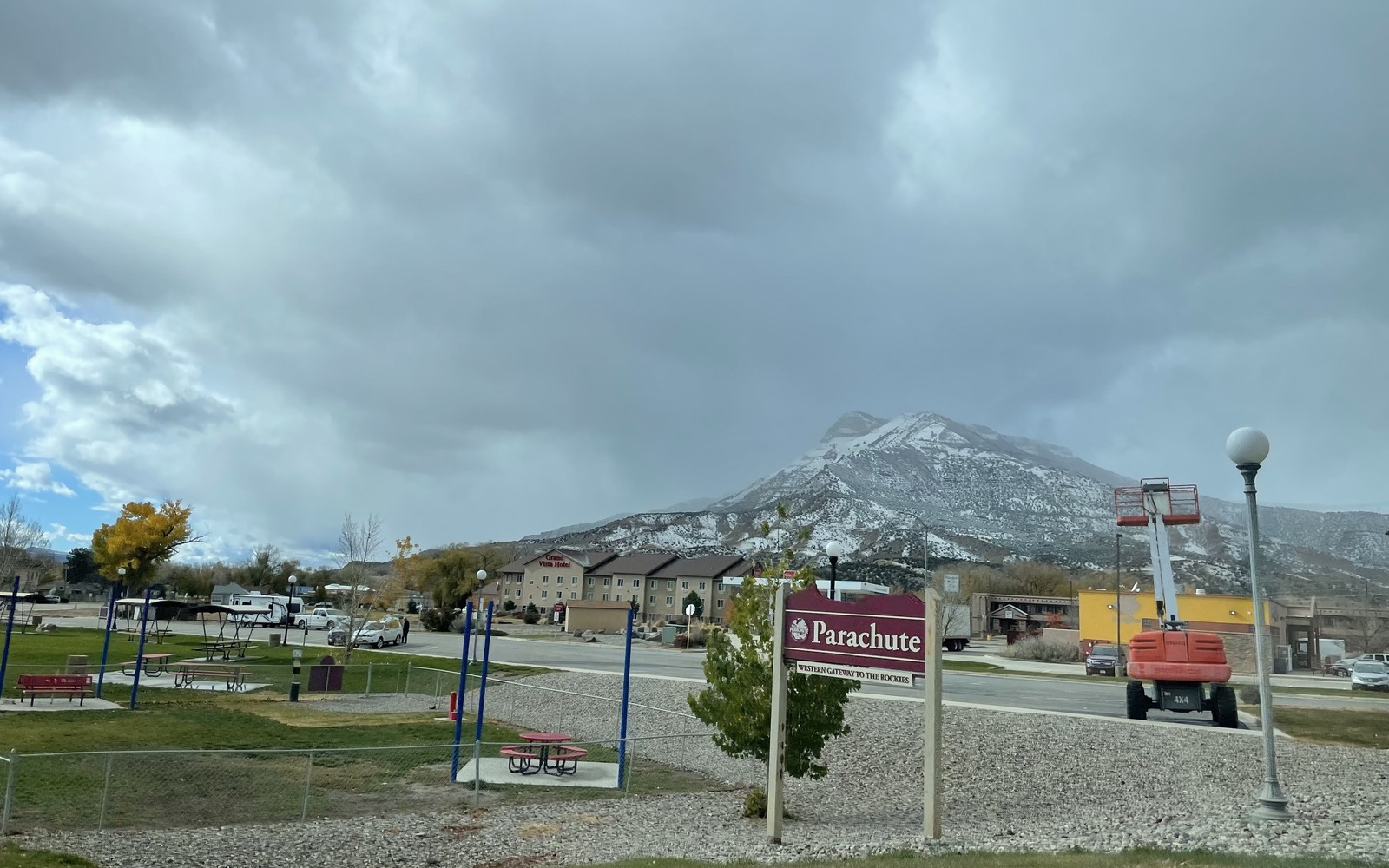
Sell Mineral Rights in Parachute, CO
Parachute sits inside the productive core of the Piceance Basin's Grand Valley field, ground that saw some of the heaviest natural gas drilling in western Colorado through the 2000s.
Parachute's more recent oil and gas history runs through the natural gas boom, but the town's name and location also connect to an earlier, more dramatic chapter: nearby Battlement Mesa and the Colony oil shale project brought thousands of jobs to the area in the early 1980s before Exxon's sudden 1982 shutdown, known locally as Black Sunday, sent the local economy into a tailspin. Natural gas development later rebuilt much of the area's oil and gas economy on a firmer footing.
Grand Valley field production today
Wells around Parachute target the Williams Fork formation's tight gas sands, developed through dense multi-well pad drilling during the 2000s boom. Like most Piceance gas wells, production ramps down from an initial peak into a longer, lower decline tail, and the specific well's age and current stage matter enormously for valuation.
Some Parachute-area units have seen renewed interest and additional development over the years as operators refined completion techniques, which can meaningfully change a well's remaining production outlook compared to its original vintage.
What we check before quoting
We pull COGCC production history for the specific well or wells tied to your legal description, confirm current operator of record since Piceance assets have changed hands repeatedly since the 2009 gas price slowdown, and build a valuation around actual paid volumes rather than the area's boom-era reputation.
Anchor the Area to the Colorado Record
An area brief should identify the local property context without substituting a city or county label for tract evidence. The file connects the local tract to the legal description, ownership fraction, formation, producing unit, operator, lease position, paid decimal, statement history, and nearby activity. County records, state well information, payor documents, and the owner file may each answer a different part of the schedule. The review should preserve those source differences rather than smoothing them into a generic statewide summary.
Compare Local Tracts Through the Same Evidence Lines
A local tract can be compared with other Colorado interests only after the same evidence lines are populated: recorded right, paid interest, production, decline, lease burdens, inventory signals, title risk, and written offer scope. Basin proximity, operator activity, or a nearby completion can add context but does not guarantee development. A useful written comparison states the date of the evidence, the assumptions included, the property excluded, and the title or timing condition that could still change the result.
Check the Assumption Before It Enters the Schedule
Is gas drilling still active near Parachute?
Yes, though at lower intensity than the 2000s peak. We check current COGCC activity for your specific section before quoting.
What was the Black Sunday oil shale collapse?
Exxon's abrupt 1982 shutdown of its Colony oil shale project near Parachute, which devastated the local economy at the time. It's a separate resource history from the natural gas that later developed here.
Has the operator changed on wells tied to your mineral interest?
Possibly — several original Piceance operators have sold or merged assets since the 2009 slowdown. We verify current operator of record before quoting.
Is Parachute's Battlement Mesa oil shale history relevant today?
It's a separate, largely dormant resource story from the natural gas that currently drives value here. We don't factor oil shale potential into a natural gas mineral valuation.