
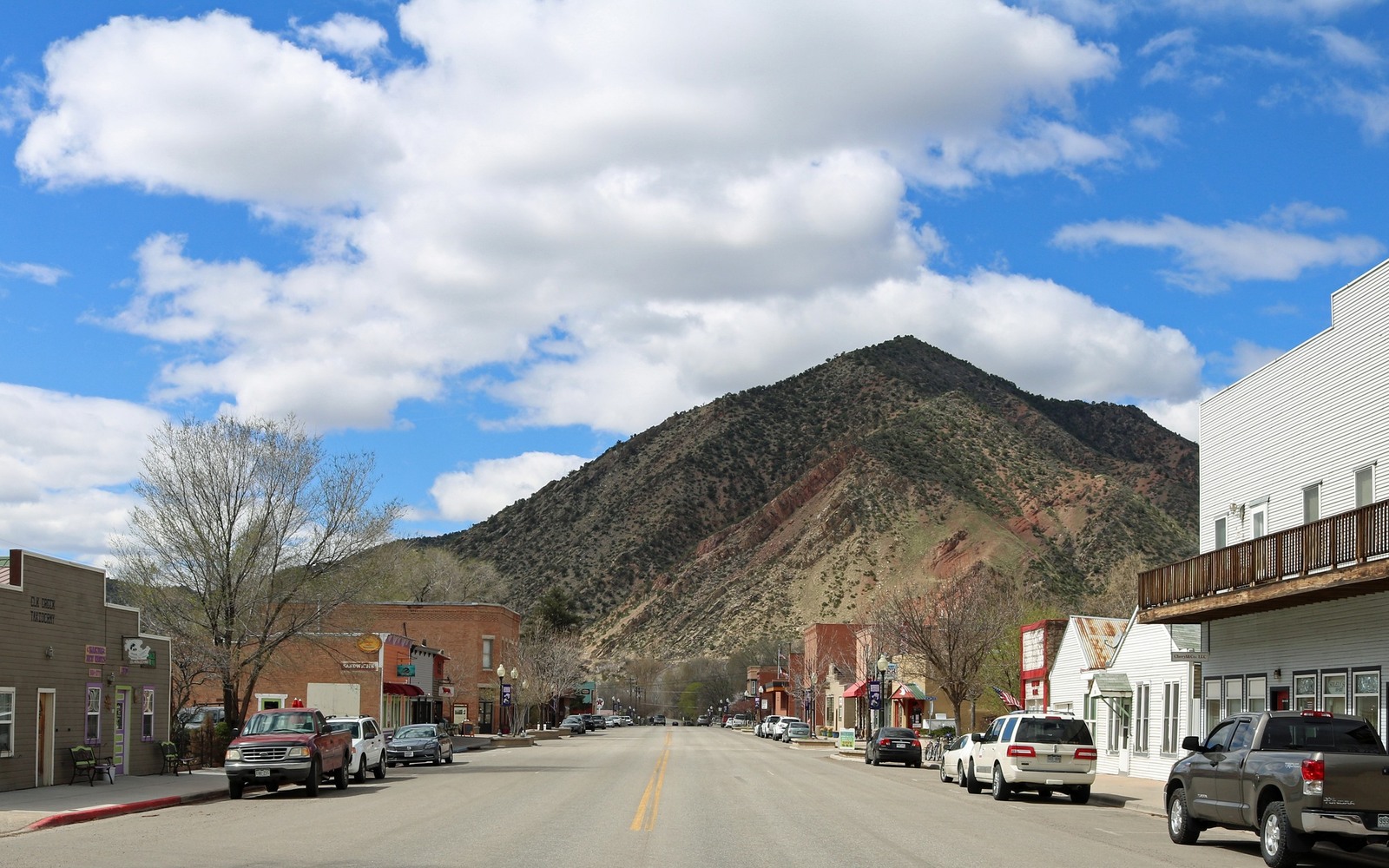
Sell Mineral Rights in New Castle, CO
New Castle carries a mineral history that runs deeper than natural gas — the town was built on coal mining in the 1880s, and an underground your mineral interest fire that started in 1899 still burns beneath nearby Burning Mountain today.
That coal legacy shapes how we think about mineral ownership here. Some New Castle-area title records reference historic coal leases and reservations from the mining era, layered underneath whatever oil and gas rights your family may also hold. Untangling which minerals you actually own, coal, oil and gas, or both, sometimes takes a closer look at the deed language than in areas without that mining history.
Piceance gas alongside the coal legacy
Modern activity around New Castle is natural gas, part of the broader Piceance Basin play that runs through Garfield County, targeting Williams Fork and Mesaverde sands. Development here has generally been lighter than the Mamm Creek and Rulison fields further west near Rifle and Silt, but wells do exist and some acreage remains undrilled.
We check COGCC well and production records specific to your section, since the coal-era history doesn't tell us anything about current gas production; that requires its own separate check.
Reading an older New Castle deed
If your mineral deed language references coal alongside or separately from oil and gas, that's a sign of the town's mining-era title history. It doesn't necessarily complicate a sale of your oil and gas interest, but it's worth flagging so we quote the right rights and don't conflate two different mineral estates.
Anchor the Area to the Colorado Record
An area brief should identify the local property context without substituting a city or county label for tract evidence. The file connects the local tract to the legal description, ownership fraction, formation, producing unit, operator, lease position, paid decimal, statement history, and nearby activity. County records, state well information, payor documents, and the owner file may each answer a different part of the schedule. The review should preserve those source differences rather than smoothing them into a generic statewide summary.
Compare Local Tracts Through the Same Evidence Lines
A local tract can be compared with other Colorado interests only after the same evidence lines are populated: recorded right, paid interest, production, decline, lease burdens, inventory signals, title risk, and written offer scope. Basin proximity, operator activity, or a nearby completion can add context but does not guarantee development. A useful written comparison states the date of the evidence, the assumptions included, the property excluded, and the title or timing condition that could still change the result.
Check the Assumption Before It Enters the Schedule
Does the Burning Mountain coal fire affect your mineral rights?
It's a historic underground coal seam fire, not connected to current oil and gas production, though it's part of why some older deeds in this area reference coal separately from other minerals.
Do you buy coal rights or only oil and gas?
We focus on oil and gas mineral interests. If your deed also includes coal, we'll help you understand which rights we're evaluating.
Is there active gas drilling right around New Castle?
Some, though less dense than the fields further west near Rifle. We check current activity for your specific section before quoting.
How far back do New Castle mineral records typically go?
Often to the late 1800s coal patents, which is part of why title tracing here sometimes takes longer than in areas with a purely modern oil and gas history.