
Sell Mineral Rights in Las Animas County, CO
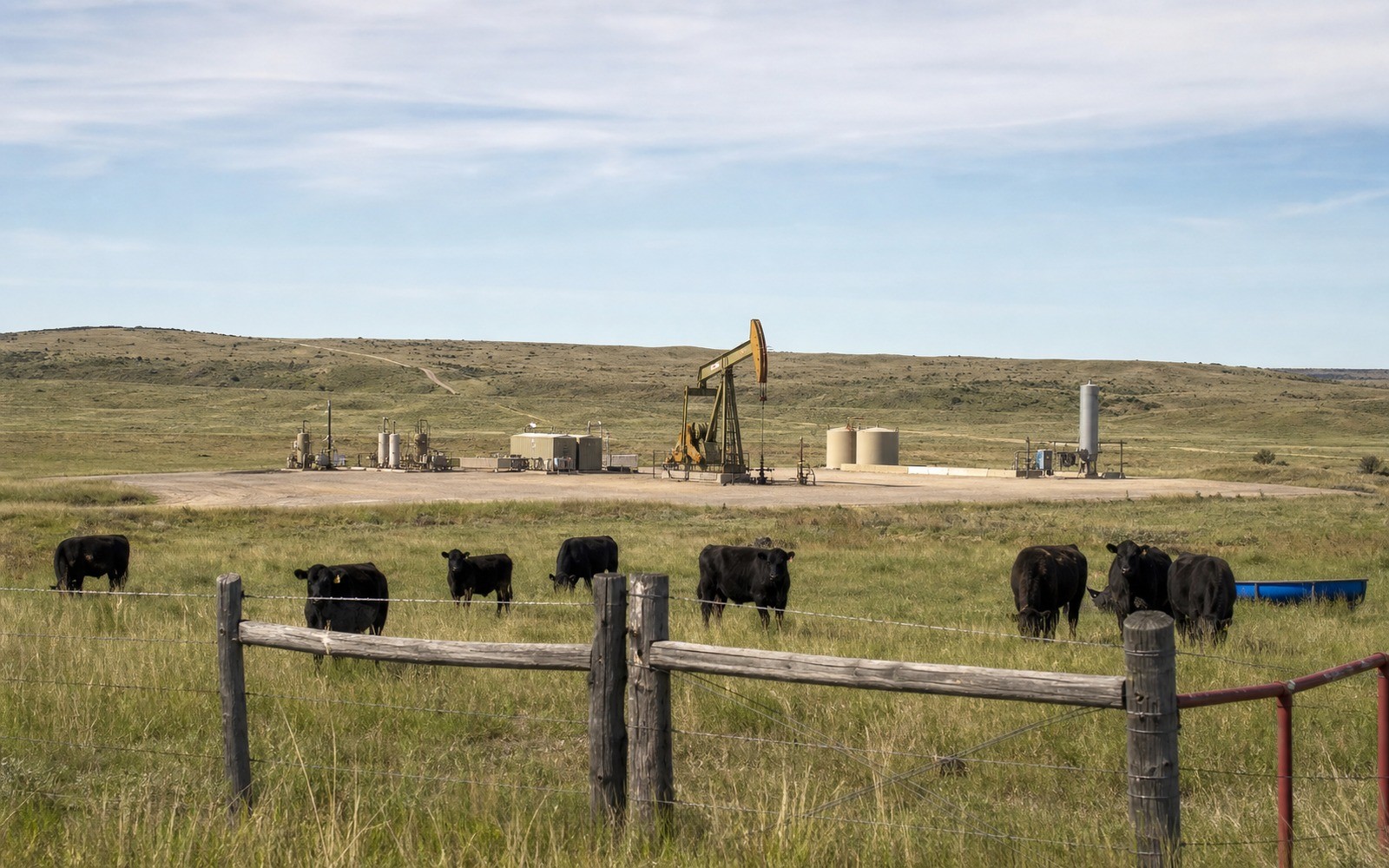
Las Animas County, led by Trinidad, sits over the Colorado portion of the Raton Basin, where coalbed methane wells drilled through the Vermejo and Raton formation coals have produced steadily since the 1990s boom.
Las Animas County's mineral history runs deeper than most people realize — coal mining shaped Trinidad and the surrounding towns for a century before coalbed methane development arrived and started producing gas from those same coal seams, this time without anyone going underground. If your family held land near Trinidad, Kim, Segundo, or Lynn, there's a real chance your minerals sit over a CBM well that's been paying, at some level, for twenty-plus years.
Ownership here is often fractional and inherited through ranching or homestead families, with mineral rights carved off from grazing land generations ago and divided among heirs many times over since.
How Raton Basin CBM wells produce and decline
Coalbed methane development in this basin followed a familiar pattern: heavy water production early on, as operators dewatered the coal seams to drop pressure and let gas desorb, followed by a long, gradually declining gas production tail once the well matured. That's a very different curve from the steep early peak and fast decline of a Niobrara horizontal up in the DJ Basin, and it means older Las Animas County wells often have twenty or more years of usable production history to value against.
Some wells drilled during the initial 1990s boom have since been recompleted or had additional coal intervals accessed, which can extend or reshape the decline curve. We check well-specific COGCC production data rather than assuming every CBM well in the county behaves identically.
Produced water handling and its effect on economics
Raton Basin CBM development historically generated significant produced water volumes that operators had to manage — through disposal wells, treatment, or surface discharge under permit. Water handling costs are part of why some marginal CBM wells have been shut in or plugged over the years even while gas prices held reasonably steady, and it's a factor in why not every legacy interest in the county still has an active producing well behind it.
If your interest is tied to a well that's been shut in, that doesn't necessarily mean it's worthless — some wells get returned to production, and the lease itself may still hold value depending on its terms — but it does change how we approach the valuation.
Legacy operators and ownership changes
Several of the original companies that drove the Raton Basin's 1990s and 2000s CBM boom have since sold, merged, or exited Colorado entirely, meaning the operator on your original lease or division order may not be who currently operates the well. We trace current operator of record through COGCC filings before quoting, so you know exactly who you'd be dealing with going forward if you kept the interest.
The Las Animas County clerk and recorder's office in Trinidad holds the deed, lease, and pooling records we use to confirm your interest's history and current standing, and because this basin has been developed for decades, that record can run long.
How coal and gas rights sometimes overlap in older deeds
Because of the county's mining history, some older deeds around Trinidad, Segundo, and the surrounding coal camps carry reservation language that treats coal rights separately from oil and gas rights, sometimes with different parties holding each. That layering doesn't usually block a straightforward oil and gas mineral sale, but it does mean we read the deed carefully to confirm exactly which rights your family retained before we put a number in front of you.
If your paperwork is unclear on that point, we can help walk through what the language actually conveys and whether any additional documentation would help before closing.
Check the Assumption Before It Enters the Schedule
What formation produces gas in Las Animas County?
Coalbed methane from the Vermejo and Raton formation coals dominates, part of the Raton Basin that extends south into New Mexico. Some conventional oil and gas history exists as well, particularly around older Trinidad-area fields.
Why did coal mining history matter to later gas development here?
The same coal seams mined underground for a century turned out to hold recoverable methane, and operators later drilled CBM wells into those seams instead of mining them, which is why this county has such a long resource history.
Is your mineral interest still valuable if the well has been shut in?
It depends on the lease terms and whether the well is likely to return to production. We evaluate shut-in interests honestly rather than pricing them as if they were actively paying.
How do you find out who currently operates your well?
We check current COGCC operator-of-record data against your well name or API number, which often differs from the company named on an older division order.
Does the coal mining history complicate a straightforward oil and gas sale?
Not usually, though we read the deed carefully to confirm which specific rights you hold before quoting, since some older Las Animas County deeds separate coal and oil and gas reservations explicitly.