
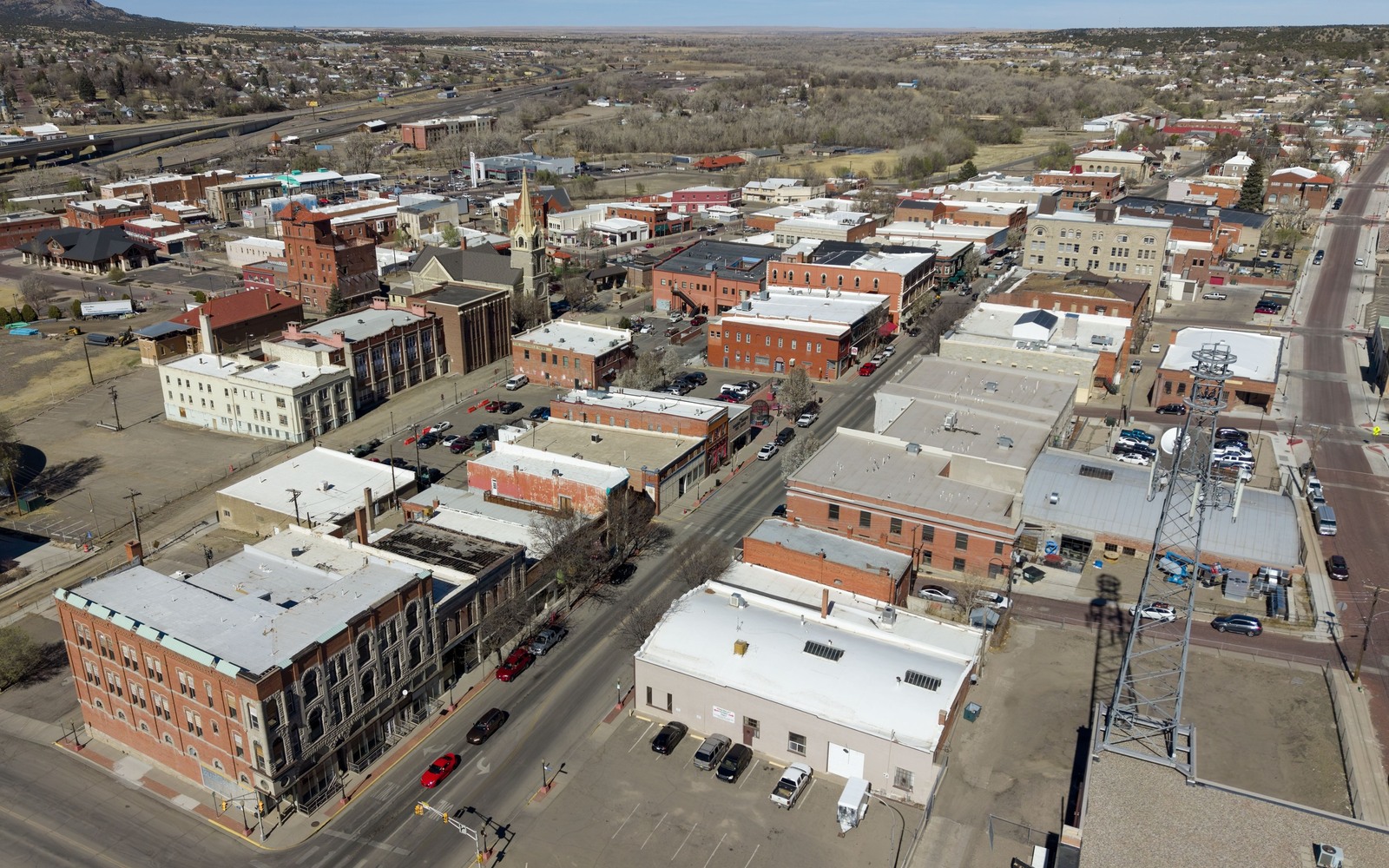
Sell Mineral Rights in Trinidad, CO
As the Las Animas County seat, Trinidad holds the deed books that untangle a century of coal and coalbed methane history in one place.
Trinidad grew up as a coal town, and that coal legacy is inseparable from the Raton Basin coalbed methane production that followed it decades later. As the county seat, Trinidad is also where the courthouse and Clerk and Recorder's office hold the deed history that determines exactly what any given mineral owner in the surrounding county actually holds, which makes it the natural anchor page for understanding a Las Animas County interest.
Coal, then CBM: two estates, one history
The Trinidad coal field was one of the most heavily mined districts in the American West, and when the Raton Basin's Fruitland and Vermejo coal seams were later targeted for coalbed methane, ownership of the coal estate and the oil and gas estate didn't always match. Some parcels around Trinidad had their coal severed decades before CBM drilling began, sometimes to a different owner entirely, which is why confirming exactly which estate you hold is the first step in any Trinidad-area transaction.
We pull deed history directly from the Las Animas County Clerk and Recorder in the Trinidad courthouse to sort coal rights from oil and gas rights before quoting anything.
Mature production, predictable decline
Raton Basin CBM wells around Trinidad were largely drilled well over a decade ago and have settled into long, low-decline production tails. That maturity is actually useful for valuation, a well with fifteen years of production history gives us a much more reliable curve to price against than a newly drilled unconventional well still working through its early decline.
Forced pooling on fractionalized old-town lots
Because so much of the ground around Trinidad was subdivided generations ago into small town and ranch lots, individual mineral interests are often heavily fractionalized. Forced pooling orders from the COGCC have been a common mechanism here for consolidating small nonconsenting owners into a single spacing unit, and we check your division order against the underlying pooling order to confirm your exact decimal interest.
Anchor the Area to the Colorado Record
An area brief should identify the local property context without substituting a city or county label for tract evidence. The file connects the local tract to the legal description, ownership fraction, formation, producing unit, operator, lease position, paid decimal, statement history, and nearby activity. County records, state well information, payor documents, and the owner file may each answer a different part of the schedule. The review should preserve those source differences rather than smoothing them into a generic statewide summary.
Compare Local Tracts Through the Same Evidence Lines
A local tract can be compared with other Colorado interests only after the same evidence lines are populated: recorded right, paid interest, production, decline, lease burdens, inventory signals, title risk, and written offer scope. Basin proximity, operator activity, or a nearby completion can add context but does not guarantee development. A useful written comparison states the date of the evidence, the assumptions included, the property excluded, and the title or timing condition that could still change the result.
Check the Assumption Before It Enters the Schedule
How do you know if you own coal, oil and gas, or both?
We trace your deed history through the Las Animas County Clerk and Recorder to confirm exactly which estate, or estates, your ownership covers.
Is Raton Basin CBM production near Trinidad still active?
Much of it is mature, low-decline production rather than new drilling, which we factor into a stable, well-supported valuation.
What is a forced pooling order and does it affect you?
It's a COGCC order consolidating small or nonconsenting owners into a defined spacing unit. If your interest was pooled, we verify your exact share against that order.
Can you handle a Trinidad title search remotely?
Yes, we pull county records directly and only need your deed or legal description from you to get started.