
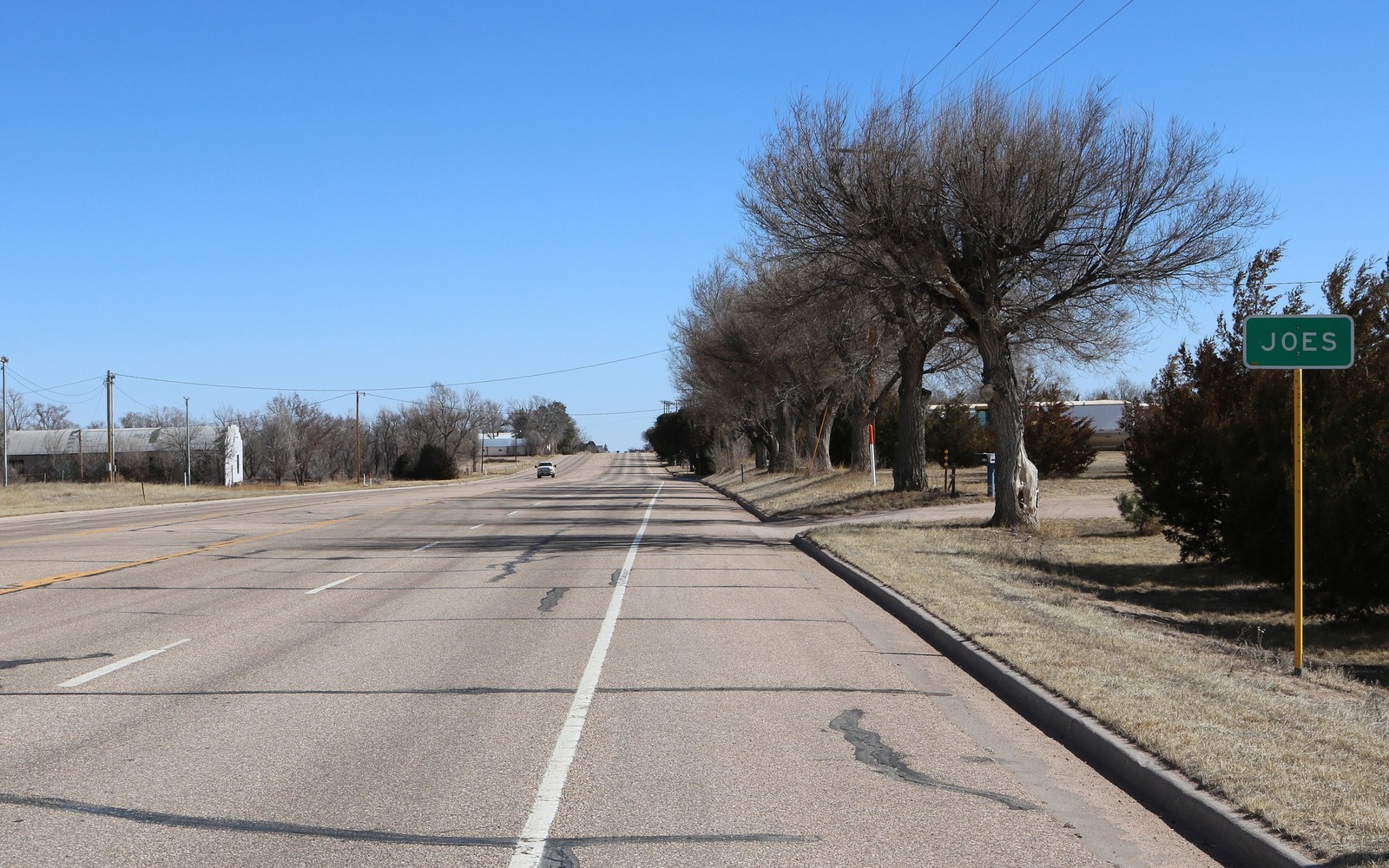
Sell Mineral Rights in Joes, CO
Joes is one of the smallest towns in Yuma County, and mineral interests connected to it are almost always tied to wheat and cattle ground that has stayed in the same family for multiple generations.
This far eastern stretch of the state sits on the outer edge of the Niobrara and Codell trend, well past where concentrated Wattenberg-style development has reached. Most owners here hold minerals that have never been leased, or were leased once during a regional push years ago without any drilling following.
We evaluate these interests honestly: as speculative, undeveloped acreage priced against comparable regional activity, not as if a well were imminent.
Small-town, family-held ownership
Land near Joes has typically stayed within the same families since homestead days, with mineral interests sometimes split among several heirs without formal updates to the deed. We handle that title research through Yuma County records at no cost to you.
Why this area sees less drilling
Operators concentrate development where well economics are strongest, which has kept the Wattenberg core in Weld County the priority for over a decade. Eastern Yuma County acreage like this gets attention in occasional regional leasing waves, not steady development.
Setting fair expectations
An offer on unleased Joes-area acreage will run more conservative than an offer on producing Weld County minerals. We would rather explain that upfront than let an owner assume otherwise.
Why we still do full title work on small towns
Even for a modest interest near a small town like Joes, we complete the same full title search we would for a large producing Weld County unit. Skipping steps to save time is not worth the risk of a defect surfacing after closing, for either of us.
Anchor the Area to the Colorado Record
An area brief should identify the local property context without substituting a city or county label for tract evidence. The file connects the local tract to the legal description, ownership fraction, formation, producing unit, operator, lease position, paid decimal, statement history, and nearby activity. County records, state well information, payor documents, and the owner file may each answer a different part of the schedule. The review should preserve those source differences rather than smoothing them into a generic statewide summary.
Compare Local Tracts Through the Same Evidence Lines
A local tract can be compared with other Colorado interests only after the same evidence lines are populated: recorded right, paid interest, production, decline, lease burdens, inventory signals, title risk, and written offer scope. Basin proximity, operator activity, or a nearby completion can add context but does not guarantee development. A useful written comparison states the date of the evidence, the assumptions included, the property excluded, and the title or timing condition that could still change the result.
Check the Assumption Before It Enters the Schedule
Has there ever been drilling near Joes?
Some historical leasing activity, but concentrated drilling has stayed farther west and north in the Wattenberg core. We check your specific tract's history before pricing.
your mineral interest is split among several cousins. Can you buy just your share?
Yes, we buy individual co-owners' shares without requiring the rest of the family to sell.
Is it worth selling an interest that has never produced?
Some owners prefer a modest, known cash offer now over holding speculative acreage indefinitely. That is a personal decision, and we can quote a number either way.
Do you do less title work for a smaller-value interest?
No, we complete full title verification regardless of interest size, since a defect after closing is a problem either way.