
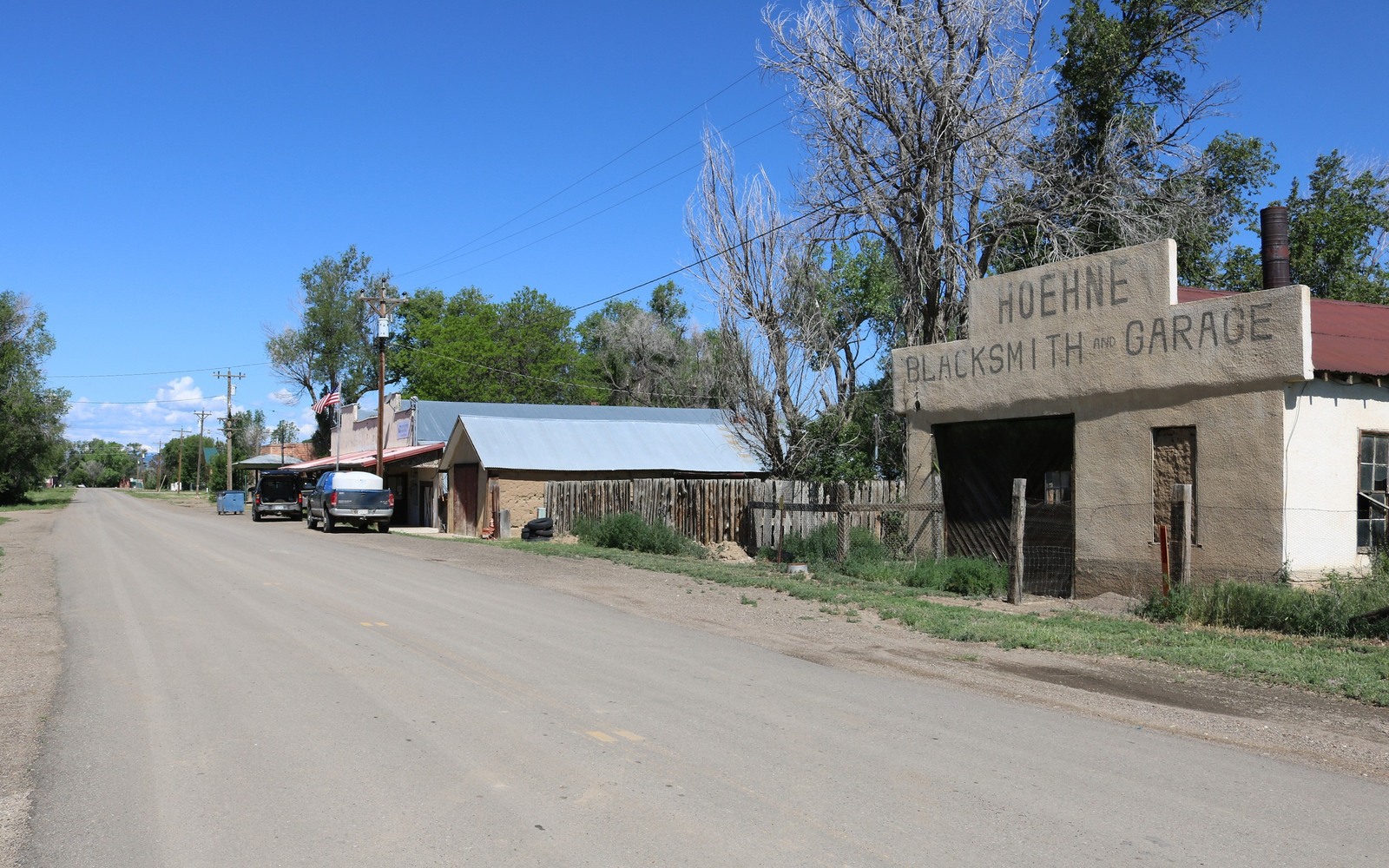
Sell Mineral Rights in Hoehne, CO
Hoehne sits just outside Trinidad in the Colorado Raton Basin, coalbed methane country where wells have quietly produced from the Vermejo and Raton coal seams for over two decades.
Las Animas County mineral ownership around Hoehne often connects to old ranching and coal-town family land, with some tracts holding both a mining history and, separately, an active oil and gas lease tied to coalbed methane production.
The Raton Basin's slow, steady decline behavior means many interests here have been paying modest royalties consistently for years, which gives us solid trailing data to price against.
The long tail of Raton Basin wells
Coalbed methane wells decline more gradually than horizontal shale wells once past their initial dewatering phase, which is why a Hoehne-area interest that has been producing for fifteen or twenty years can still carry meaningful value. We fit a decline curve to your actual check stub trend rather than assuming a short remaining life.
Confirming what your deed actually covers
Given the area's coal mining history, some older deeds separate coal rights from oil and gas rights. We review your specific deed language before pricing to confirm exactly what mineral interest you hold.
Title research through Las Animas County
We verify leases, unit agreements, and any prior assignments through the Las Animas County Clerk and Recorder, since Raton Basin assets have changed operators several times over the decades and we want your net revenue interest confirmed against current records.
What a Hoehne offer actually reflects
An offer on your Hoehne-area interest reflects your net revenue interest, the well's current position on its decline curve, and recent comparable Raton Basin sales in Las Animas County. We walk through each of those three inputs with you so the number is not a mystery.
Anchor the Area to the Colorado Record
An area brief should identify the local property context without substituting a city or county label for tract evidence. The file connects the local tract to the legal description, ownership fraction, formation, producing unit, operator, lease position, paid decimal, statement history, and nearby activity. County records, state well information, payor documents, and the owner file may each answer a different part of the schedule. The review should preserve those source differences rather than smoothing them into a generic statewide summary.
Compare Local Tracts Through the Same Evidence Lines
A local tract can be compared with other Colorado interests only after the same evidence lines are populated: recorded right, paid interest, production, decline, lease burdens, inventory signals, title risk, and written offer scope. Basin proximity, operator activity, or a nearby completion can add context but does not guarantee development. A useful written comparison states the date of the evidence, the assumptions included, the property excluded, and the title or timing condition that could still change the result.
Check the Assumption Before It Enters the Schedule
How long can a Raton Basin well near Hoehne keep producing?
Many wells in this field have produced for two decades or more thanks to a gradual, long-tail decline pattern typical of coalbed methane.
Does your deed cover both coal and oil and gas rights?
Not necessarily. We check your specific deed language to confirm exactly what you own before making an offer.
your royalty checks list a different operator than a few years ago. Should you worry?
No, this basin has changed operators multiple times. We confirm the current operator before finalizing your offer.
Can you explain how you arrived at your specific offer?
Yes, we walk through net revenue interest, decline curve position, and comparable sales so you understand exactly how the number was built.