
Sell Mineral Rights in Grover, CO
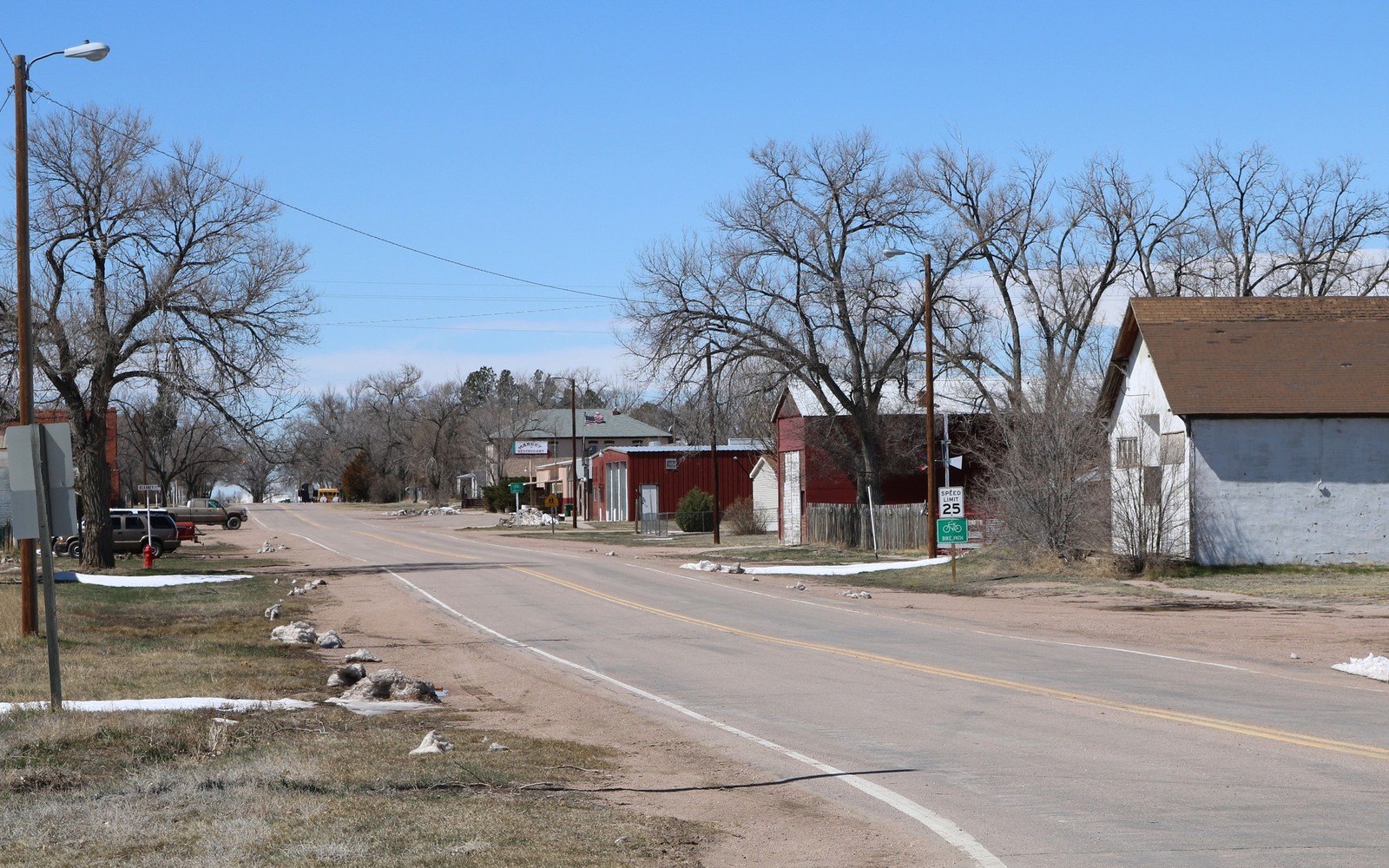
Grover sits in rural northern Weld County, ranching and dryland farming country where mineral ownership has typically stayed within the same families for generations.
This part of Weld County is inside the broader DJ Basin fairway but has seen less concentrated horizontal development than the Wattenberg core farther south, closer to Greeley and the Front Range suburbs. Activity here has come in waves, often tied to regional leasing pushes rather than continuous pad development.
Most owners we work with near Grover hold ranch-origin minerals, sometimes with a lease on record from a past leasing cycle even if no well was ever drilled.
Northern county, lighter development
Operators have concentrated the densest Wattenberg drilling south of here, which means Grover-area acreage sees activity in cycles rather than continuous development. We check current lease and unit status before pricing, since it changes year to year.
Ranch-origin ownership
Ranching families in this area frequently kept mineral rights when land was sold or passed down, sometimes splitting the estate among heirs over multiple generations. We handle the title work to confirm fractional shares through Weld County records.
Old leases without drilling
A past lease with no well drilled is common out here and still tells us something useful, that an operator saw enough potential to sign a lease at some point. We weigh that history even when there is no current production.
Ranch acreage with mixed surface and mineral history
Some Grover-area ranch deeds convey surface and minerals together, while others severed them at some point along the chain of title. We read your specific deed carefully rather than assuming based on how neighboring parcels were typically handled, since practices varied even within the same family.
Anchor the Area to the Colorado Record
An area brief should identify the local property context without substituting a city or county label for tract evidence. The file connects the local tract to the legal description, ownership fraction, formation, producing unit, operator, lease position, paid decimal, statement history, and nearby activity. County records, state well information, payor documents, and the owner file may each answer a different part of the schedule. The review should preserve those source differences rather than smoothing them into a generic statewide summary.
Compare Local Tracts Through the Same Evidence Lines
A local tract can be compared with other Colorado interests only after the same evidence lines are populated: recorded right, paid interest, production, decline, lease burdens, inventory signals, title risk, and written offer scope. Basin proximity, operator activity, or a nearby completion can add context but does not guarantee development. A useful written comparison states the date of the evidence, the assumptions included, the property excluded, and the title or timing condition that could still change the result.
Check the Assumption Before It Enters the Schedule
Is there active drilling near Grover right now?
Activity in northern Weld County runs in cycles and is generally lighter than the Wattenberg core farther south. We check current status before pricing.
A Colorado mineral-owning family's minerals are split among several heirs. Can you still buy your share?
Yes, we regularly buy individual heirs' shares without requiring the full family to agree.
Does an old lease with no well still matter for value?
Yes, it reflects past operator interest, which we factor into pricing even without current production.
How do you know if your ranch deed kept the minerals separate?
We review your deed's exact reservation language to confirm whether a severance occurred and what it covers.