Sell Mineral Rights in Frederick, CO
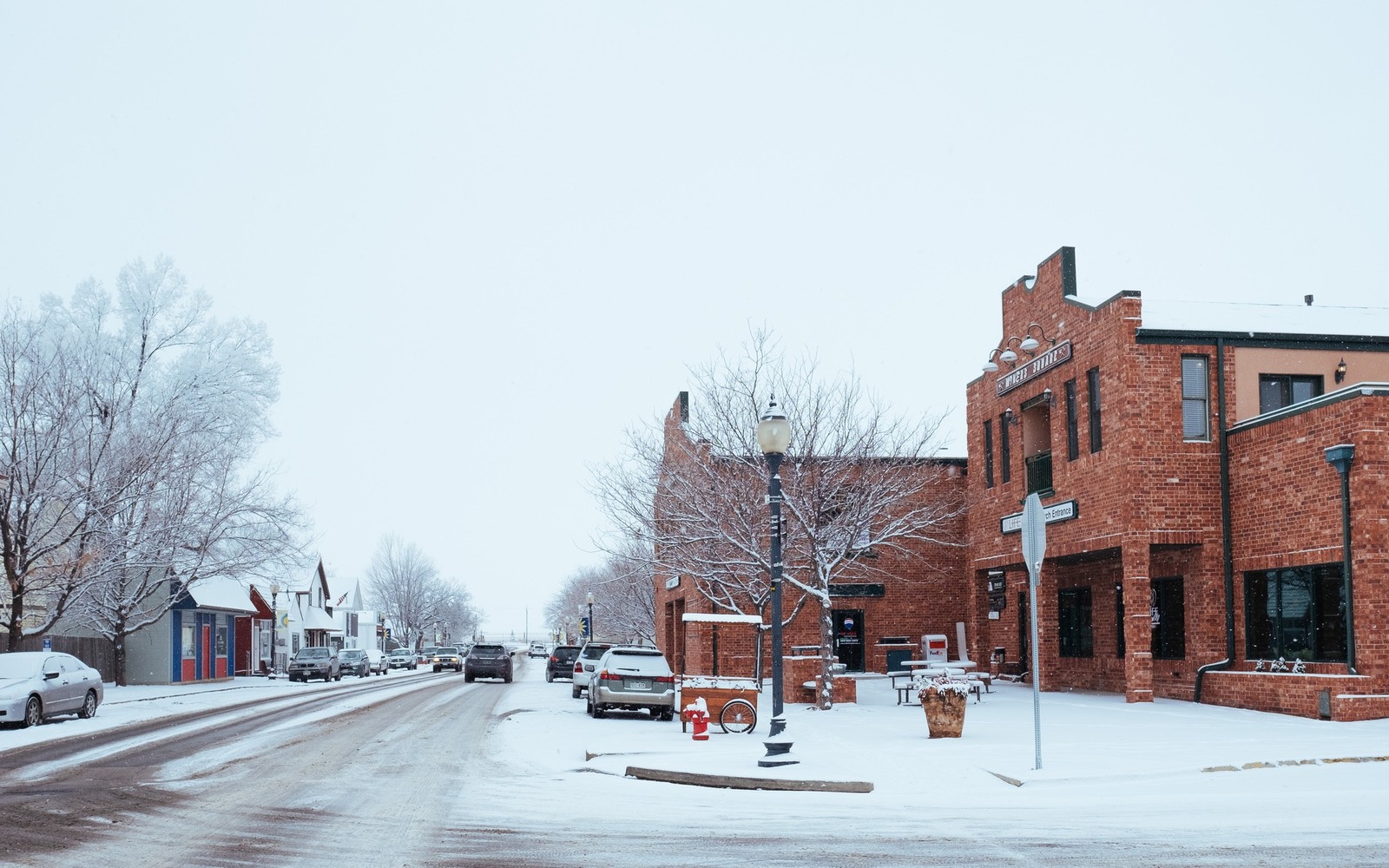
Frederick anchors the Carbon Valley growth corridor in southern Weld County, ground that has seen both dense Wattenberg drilling and rapid residential expansion over the same stretch of years.
That combination, active oil and gas units sitting near fast-growing subdivisions, means Frederick-area mineral interests often have solid production history behind them, while new development nearby has made local officials and operators more careful about setbacks and permitting timelines for anything new.
For an owner, the practical takeaway is that an existing producing interest here is straightforward to price. What takes more care is unleased acreage close to the newer subdivisions, where development pressure genuinely does affect how likely and how fast new drilling might happen.
Established production in Carbon Valley
Multi-well pads have been developed across this corridor for over a decade, so most Frederick interests we evaluate have a clear division order and check-stub history. We price these off a standard decline curve applied to that trailing production.
Growth pressure and setback rules
As Frederick and neighboring Firestone and Dacono have grown, Weld County setback and flowline requirements near occupied structures have tightened. This mostly affects timelines for new permits close to subdivisions, not production from wells already online.
What we need from you
A division order or recent check stubs let us move fastest. Without them, we search Weld County records directly, which works fine but adds a few days to the process.
Comparing a Frederick offer to your neighbors'
Because Carbon Valley has seen dense recent development, it is common for owners to compare notes with neighbors about offers they have received. We are comfortable with that, our pricing is based on your specific net revenue interest and decline curve, and we can explain the math behind any number we quote.
Anchor the Area to the Colorado Record
An area brief should identify the local property context without substituting a city or county label for tract evidence. The file connects the local tract to the legal description, ownership fraction, formation, producing unit, operator, lease position, paid decimal, statement history, and nearby activity. County records, state well information, payor documents, and the owner file may each answer a different part of the schedule. The review should preserve those source differences rather than smoothing them into a generic statewide summary.
Compare Local Tracts Through the Same Evidence Lines
A local tract can be compared with other Colorado interests only after the same evidence lines are populated: recorded right, paid interest, production, decline, lease burdens, inventory signals, title risk, and written offer scope. Basin proximity, operator activity, or a nearby completion can add context but does not guarantee development. A useful written comparison states the date of the evidence, the assumptions included, the property excluded, and the title or timing condition that could still change the result.
Check the Assumption Before It Enters the Schedule
Does nearby residential growth affect your producing interest's value?
Not directly. Value is driven by decline curve and net revenue interest, regardless of nearby development.
Are new wells still being drilled in Carbon Valley?
Some, though setback and safety requirements near residential growth have tightened permitting timelines for new locations close to town.
What if you have never leased your Frederick-area interest?
We price it against comparable Weld County lease activity, factoring in the added scrutiny new permits face near developed corridors.
How fast does a Frederick sale typically close?
Two to four weeks once we confirm title against Weld County records.
Why might your neighbor's offer differ from your mineral interest even on a similar-sized tract?
Net revenue interest, well age, and which units a tract is part of all vary by parcel, even among neighboring properties, which changes the price.