Sell Mineral Rights in Erie, CO
Erie has been ground zero for Colorado's drilling-versus-neighborhoods fight for a decade, and that history changes how we price a mineral interest here.
When Senate Bill 19-181 handed local governments authority to set their own oil and gas rules, Erie and its neighboring Weld and Boulder County jurisdictions moved quickly toward stricter setbacks and permitting requirements than the state default. That has slowed new permitting near town, even as the broader Wattenberg field around it keeps producing.
For an owner, that means two different pictures can be true at once: an interest already inside a producing unit can keep paying steadily, while an unleased tract nearby may face a longer, more uncertain path to ever seeing a rig, since local setback rules can push potential well pads farther from town than they would have sat a decade ago.
Producing interests near Erie
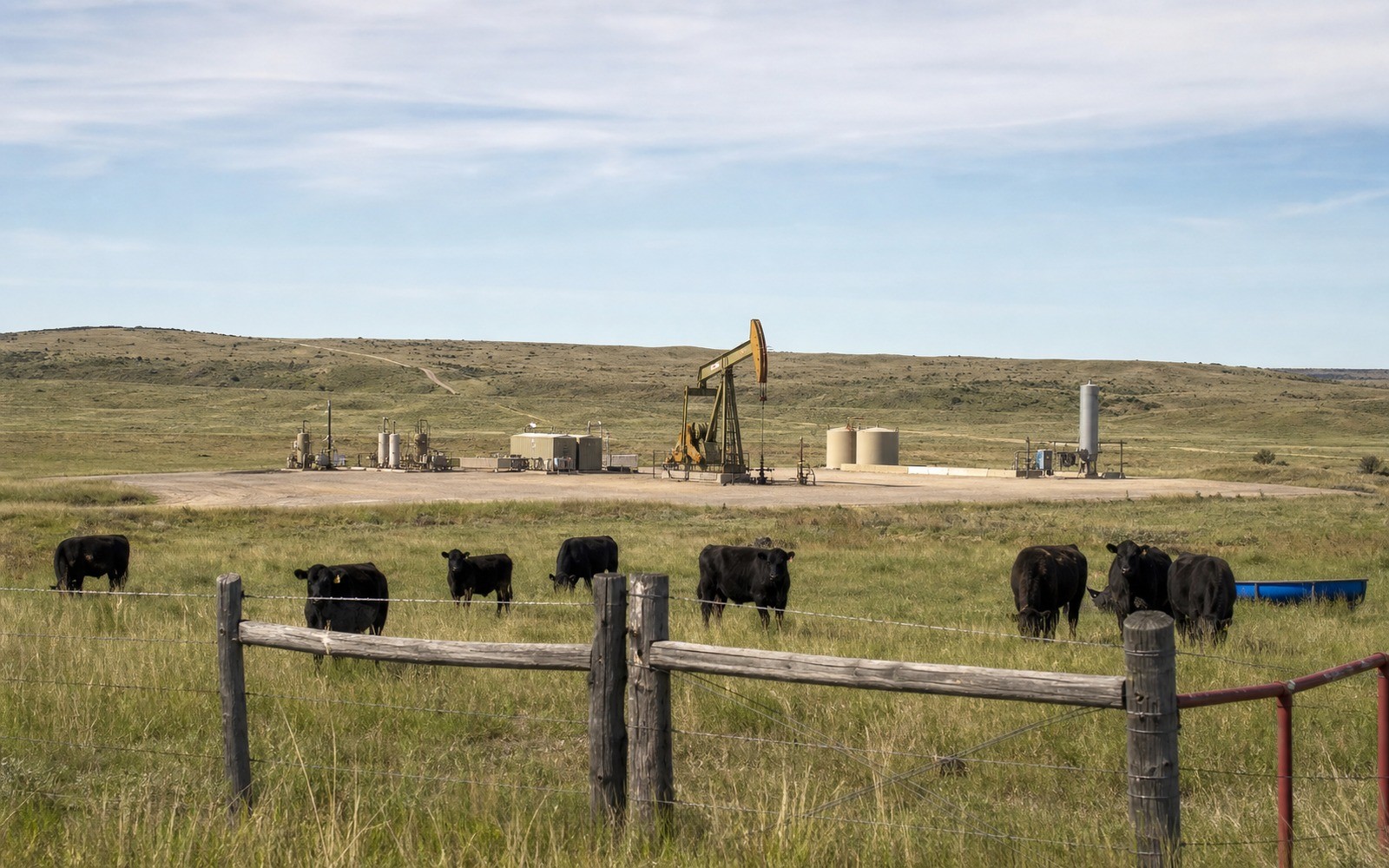
Wells drilled before the current setback regime tightened remain in production and continue paying royalties under existing units. We price these off trailing production and decline, the same as any other Wattenberg field interest, regardless of what local rules apply to new permits.
Undeveloped acreage and setback uncertainty
For minerals that have never been leased, local setback and local-control rules genuinely matter to timeline. Stricter local ordinances can push likely well locations farther out or delay permitting altogether, which is exactly the kind of uncertainty that makes some owners prefer a known cash offer today over an open-ended wait.
Why we price conservatively here
Given how much local rules have shifted since 2019, we do not assume a fixed drilling timeline for unleased Erie-area acreage. We price it against comparable regional lease and sale activity, adjusted down for the added regulatory uncertainty specific to this jurisdiction.
Anchor the Area to the Colorado Record
An area brief should identify the local property context without substituting a city or county label for tract evidence. The file connects the local tract to the legal description, ownership fraction, formation, producing unit, operator, lease position, paid decimal, statement history, and nearby activity. County records, state well information, payor documents, and the owner file may each answer a different part of the schedule. The review should preserve those source differences rather than smoothing them into a generic statewide summary.
Compare Local Tracts Through the Same Evidence Lines
A local tract can be compared with other Colorado interests only after the same evidence lines are populated: recorded right, paid interest, production, decline, lease burdens, inventory signals, title risk, and written offer scope. Basin proximity, operator activity, or a nearby completion can add context but does not guarantee development. A useful written comparison states the date of the evidence, the assumptions included, the property excluded, and the title or timing condition that could still change the result.
Check the Assumption Before It Enters the Schedule
Do Erie's local setback rules affect wells that already exist?
No, existing production continues under the rules in place when it was drilled and permitted. New permitting is what changed.
Why has drilling near Erie slowed down?
Since SB 19-181 gave local governments oil and gas authority, several Weld and Boulder County jurisdictions near Erie adopted stricter setback and permitting rules than the prior state default.
Should you wait to see if rules loosen before selling unleased minerals?
That is your call. Some owners prefer a firm offer now rather than an uncertain wait on local rulemaking; we can quote both a current offer and explain what we see happening regionally.
Does the setback issue affect the value of a producing interest you already own?
Not directly. A producing well's value comes from its decline curve, though very long-term redevelopment of the same unit could be affected by future local rules.