
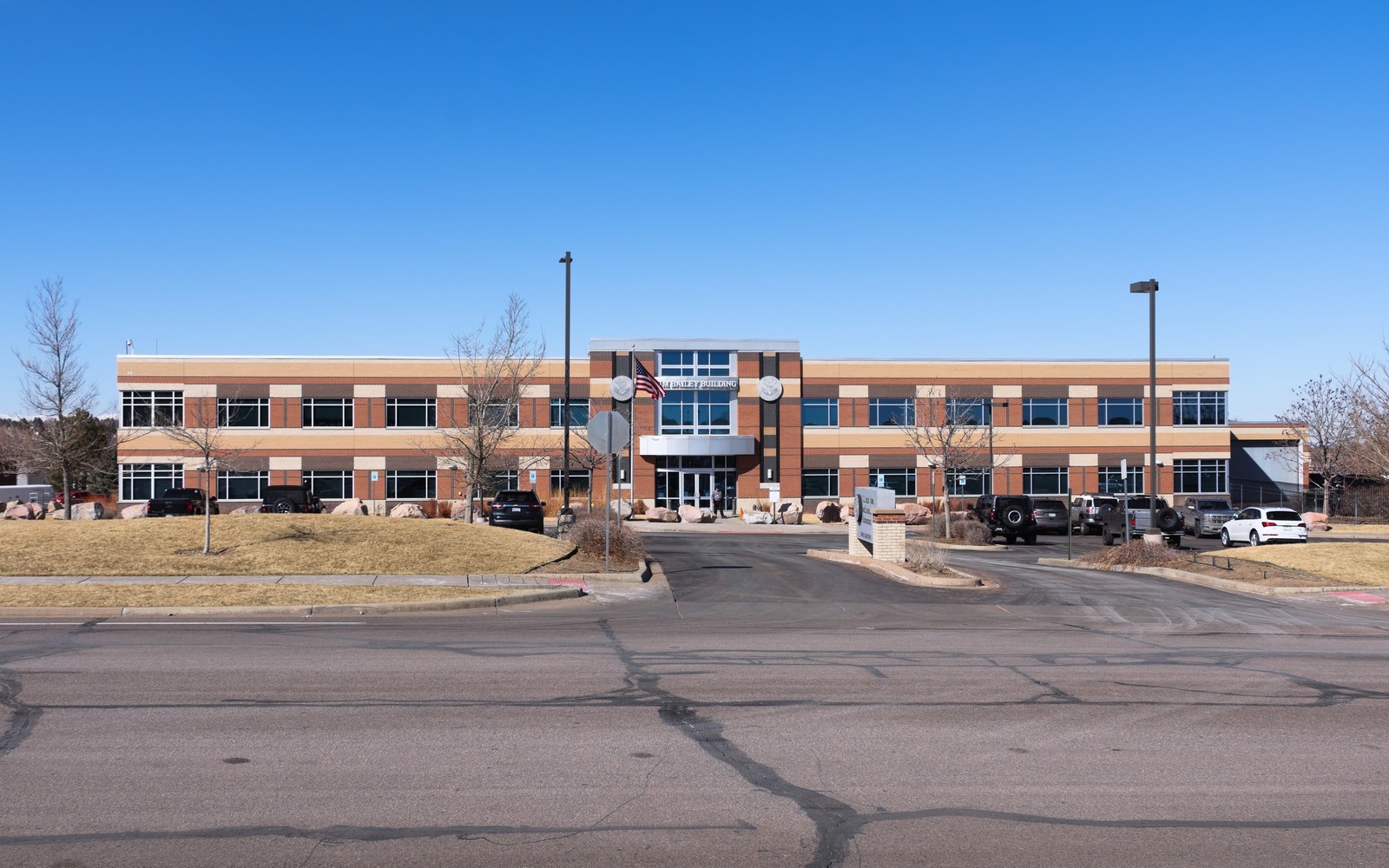
Sell Mineral Rights in Dove Valley, CO
Dove Valley is corporate office park today, but the mineral estate under it was almost always severed generations before the first building went up.
It surprises a lot of owners to learn they still hold mineral rights under developed commercial ground in Arapahoe County. Surface development does not extinguish a mineral estate; it just makes drilling on that specific tract unlikely, since no operator wants to put a rig pad in the middle of an office campus.
That does not make the interest worthless. It may still be part of a larger horizontal drilling unit that reaches under Dove Valley from a pad drilled somewhere else nearby, which is how most DJ Basin development actually reaches suburban ground now.
How minerals under a business park get produced
Horizontal wells drilled from a pad a mile or more away can extend laterals underneath developed surface like Dove Valley without ever disturbing it. If your tract is inside a pooled unit, you can be receiving royalty income even though there is no visible well anywhere near your property.
Confirming your interest actually exists
The first step for ground like this is confirming through Arapahoe County records whether your mineral interest was ever severed, and if so, whether it sits inside an active unit. Some owners in this area hold minerals with no unit designation at all, which changes the offer to reflect undeveloped rather than producing acreage.
Pricing suburban severed minerals
If you are inside a unit and receiving royalty checks, we price off that revenue and its decline trend. If you are not currently in a unit, we price against comparable undeveloped mineral sales nearby, which run lower since there is no production to underwrite against.
Timing a sale against a unit's status
If your Dove Valley tract is not yet part of a producing unit, timing is largely out of your hands, since it depends on when, or whether, an operator drills a pad that reaches under this ground. Owners who would rather have a known number now than wait on that uncertainty are the ones who typically call us first.
Anchor the Area to the Colorado Record
An area brief should identify the local property context without substituting a city or county label for tract evidence. The file connects the local tract to the legal description, ownership fraction, formation, producing unit, operator, lease position, paid decimal, statement history, and nearby activity. County records, state well information, payor documents, and the owner file may each answer a different part of the schedule. The review should preserve those source differences rather than smoothing them into a generic statewide summary.
Compare Local Tracts Through the Same Evidence Lines
A local tract can be compared with other Colorado interests only after the same evidence lines are populated: recorded right, paid interest, production, decline, lease burdens, inventory signals, title risk, and written offer scope. Basin proximity, operator activity, or a nearby completion can add context but does not guarantee development. A useful written comparison states the date of the evidence, the assumptions included, the property excluded, and the title or timing condition that could still change the result.
Check the Assumption Before It Enters the Schedule
you did not know you owned minerals under your office building. How do you check?
We can search Arapahoe County deed and unit records against your legal description to confirm whether a severance occurred and whether it is in an active unit.
Can a well ever be drilled directly under Dove Valley?
Unlikely given the developed surface, but horizontal laterals from nearby pads can reach the mineral estate without any surface disturbance here.
If you am not receiving royalties, is your mineral interest worth anything?
It can still have value based on the possibility of future unitization, priced conservatively against comparable undeveloped sales.
What if no well ever reaches under your Dove Valley tract?
That is a real possibility on developed suburban ground far from any surface pad. We price unleased interests conservatively with that risk already factored in.