
Sell Mineral Rights in Eaton, CO
Selling a Weld County mineral interest near Eaton is a straightforward process once title is confirmed, and most owners are surprised how few steps it actually takes.
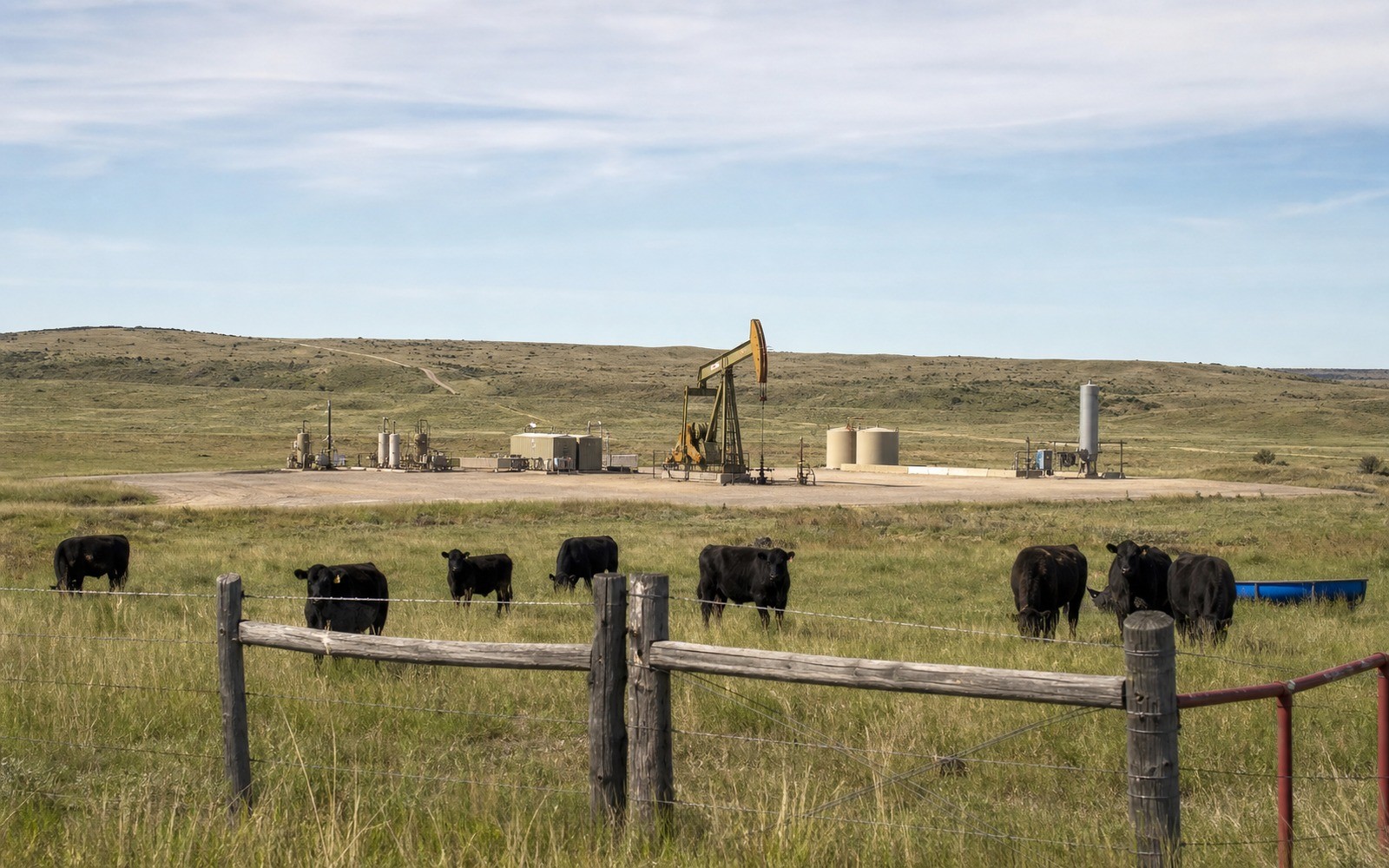
Eaton sits inside the Wattenberg field, the productive core of the Denver-Julesburg Basin, where Niobrara and Codell horizontal wells have been drilled in dense multi-well units for over a decade. If you own minerals here, there is a strong chance you are already receiving, or have received, royalty checks from an active unit.
Here is what actually happens when you sell to us: we confirm your net revenue interest against county and operator records, pull your production history, price the interest off a decline curve applied to that history, and send a written offer. No listing period, no marketing to multiple buyers, no waiting on a broker's schedule.
Step one: confirming what you own
We start with your deed and, if available, your division order. Those two documents establish your exact fractional interest and which unit or units it sits in. If you cannot locate paperwork, we pull recorded instruments from the Weld County Clerk and Recorder, since Weld County's oil and gas records are extensive and well indexed.
Step two: pricing off decline, not guesswork
Wattenberg wells typically show steep first-year decline followed by a long, flatter tail. We fit that curve to your actual check stub history to project remaining value, then price accordingly. This is why two neighboring interests can price differently even at the same net revenue interest, depending on when each well was drilled.
Step three: closing
Once you accept an offer, we prepare the assignment and title documents, you sign, and we handle recording with the county. Eaton-area closings typically run two to four weeks depending on how quickly title comes back clean.
Anchor the Area to the Colorado Record
An area brief should identify the local property context without substituting a city or county label for tract evidence. The file connects the local tract to the legal description, ownership fraction, formation, producing unit, operator, lease position, paid decimal, statement history, and nearby activity. County records, state well information, payor documents, and the owner file may each answer a different part of the schedule. The review should preserve those source differences rather than smoothing them into a generic statewide summary.
Compare Local Tracts Through the Same Evidence Lines
A local tract can be compared with other Colorado interests only after the same evidence lines are populated: recorded right, paid interest, production, decline, lease burdens, inventory signals, title risk, and written offer scope. Basin proximity, operator activity, or a nearby completion can add context but does not guarantee development. A useful written comparison states the date of the evidence, the assumptions included, the property excluded, and the title or timing condition that could still change the result.
Check the Assumption Before It Enters the Schedule
How do you calculate your offer?
We apply a decline curve to your trailing production from division order or check stub data, then price against current comparable Wattenberg sales.
Will selling affect your current royalty checks before closing?
No, you continue receiving royalties until the sale closes and the assignment is recorded.
What if your well has already declined significantly?
It still has value, just less than a newer well. We price the remaining production tail rather than assuming peak output continues.
Do you need to involve the operator in the sale?
Not to sell. Once closed, we notify the operator of record so future royalty payments are redirected to us.