
Sell Mineral Rights in De Beque, CO
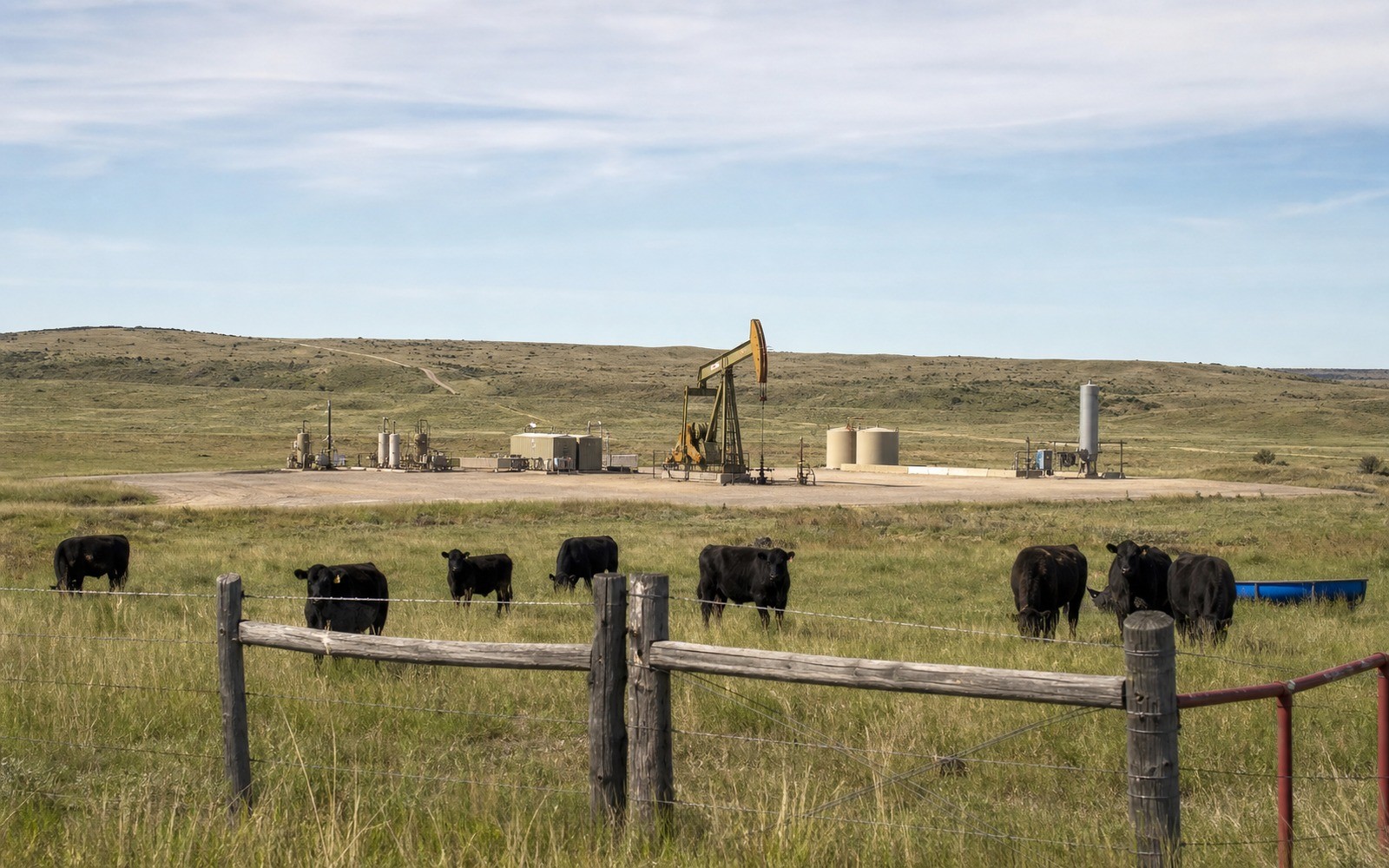
De Beque sits on the eastern lip of the Piceance Basin, where Mancos and Williams Fork gas has been produced off and on for four decades.
Mesa County mineral ownership around De Beque is usually a leftover piece of a bigger ranch parcel, split off when a family sold the surface but kept the minerals, or when a well was drilled and the estate got carved between heirs. We buy these interests directly and price them against what the acreage has actually paid, not what a leasing company quoted a decade ago.
Piceance gas is a boom-bust story locally: heavy activity in the mid-2000s, a long lull as gas prices sat flat, and periodic re-permitting near Rulison and Parachute that ripples west toward De Beque. If your interest has been quiet for years, that is normal for this part of the basin, not a sign the minerals are worthless.
What we look at first
We start with the same documents a title examiner would want: your deed, any lease of record with the Mesa County Clerk and Recorder, and, if the tract has ever produced, the operator's division order and check stubs. Those stubs tell us more about current value than any online estimator, because they show actual net revenue interest and how fast a well's output is declining.
Producing versus non-producing acreage
A De Beque interest tied to an active Williams Fork well prices differently than raw, unleased minerals with no drilling history. Producing tracts get valued off a decline curve applied to trailing production; non-producing acreage gets valued more on comparable regional lease and sale activity, since there is no revenue stream yet to underwrite against.
Split estate and access
Most of this ground is split estate, meaning someone else may own the surface while you hold the minerals below it. That does not change your right to a lease or a sale, but it does affect how an operator negotiates surface use agreements, which in turn affects timing. We factor typical Piceance surface-access friction into how we underwrite a De Beque offer.
Anchor the Area to the Colorado Record
An area brief should identify the local property context without substituting a city or county label for tract evidence. The file connects the local tract to the legal description, ownership fraction, formation, producing unit, operator, lease position, paid decimal, statement history, and nearby activity. County records, state well information, payor documents, and the owner file may each answer a different part of the schedule. The review should preserve those source differences rather than smoothing them into a generic statewide summary.
Compare Local Tracts Through the Same Evidence Lines
A local tract can be compared with other Colorado interests only after the same evidence lines are populated: recorded right, paid interest, production, decline, lease burdens, inventory signals, title risk, and written offer scope. Basin proximity, operator activity, or a nearby completion can add context but does not guarantee development. A useful written comparison states the date of the evidence, the assumptions included, the property excluded, and the title or timing condition that could still change the result.
Check the Assumption Before It Enters the Schedule
Is your De Beque interest still worth something if the well has slowed down?
Usually yes, though a declined well prices lower than a fresh one. We run the numbers off your actual check history rather than assuming a flat rate.
Do you need your lease before you can make an offer?
It helps but is not required. We can pull recorded lease and unit information from the Mesa County Clerk and Recorder's office if you cannot locate your own copy.
How fast can a sale close once we agree on price?
Most De Beque transactions close within two to four weeks, mainly limited by how long it takes to confirm title with the county.
What if your mineral interest has never produced?
We can still make an offer based on comparable Piceance lease and sale activity in Mesa County, priced lower than producing acreage since there is no revenue history yet.