
Sell Mineral Rights in Briggsdale, CO
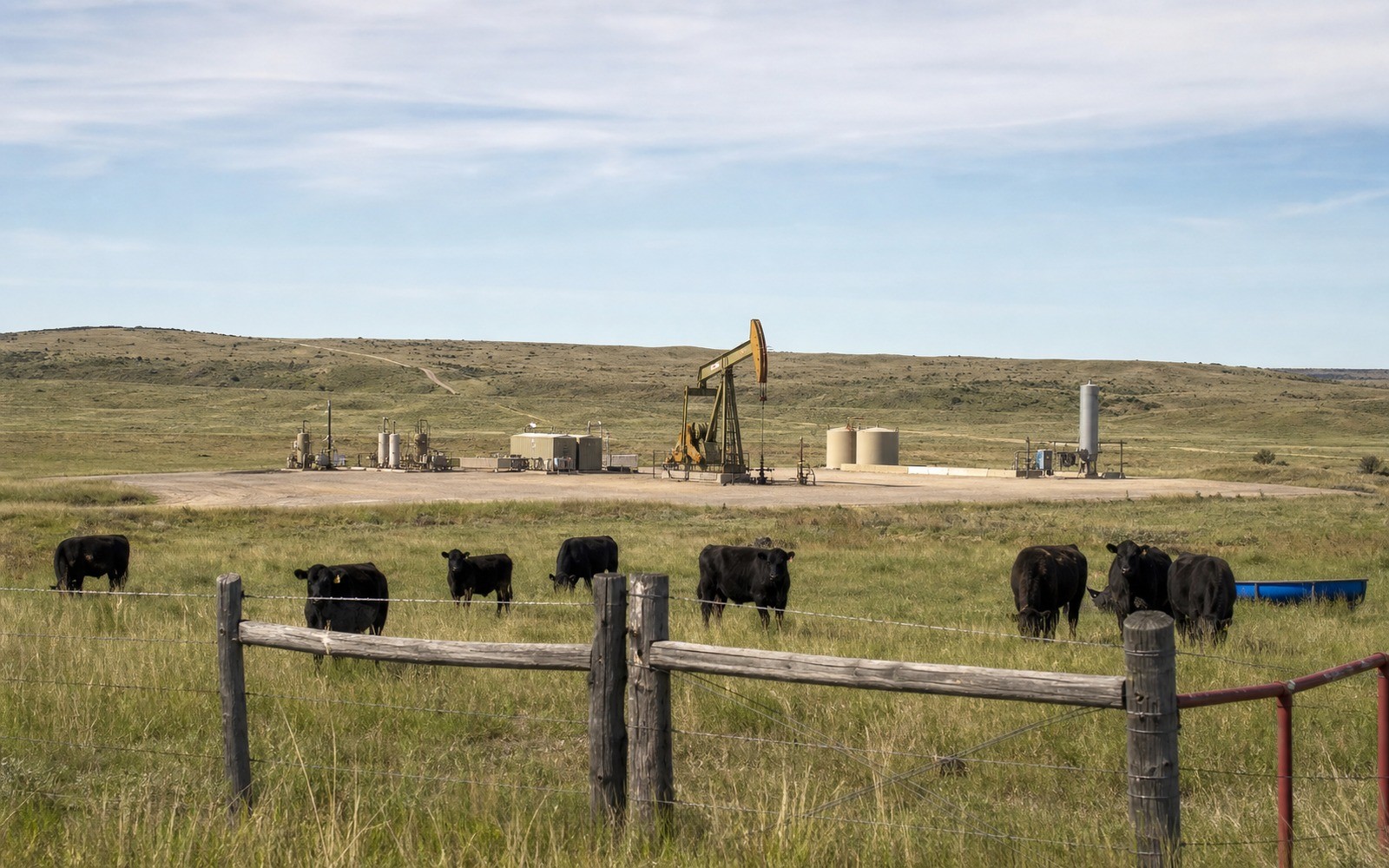
Briggsdale is about as remote as it gets in Weld County, and that remoteness is exactly why it's stayed core Wattenberg drilling territory for over a decade — wide open agricultural land with minimal surface-use conflict.
Operators have run extensive horizontal Niobrara-Codell development across this part of the county, and multi-well pads here reach laterals well over a mile in length. If your family holds minerals tied to a Briggsdale-area legal description, there's a genuine chance it's been pooled into a producing unit, even if you've moved away and lost touch with what's happening on the ground.
Why remote acreage stayed attractive to operators
With few homes and little competing land use, Briggsdale-area sections have been easier for operators to permit and develop than similar rock closer to Denver's suburbs. That's kept this part of Weld County a steady priority even through commodity price swings that slowed activity elsewhere in the state.
Absentee ownership is common here
A lot of the mineral ownership tied to this area belongs to families who moved off the land generations ago but kept the mineral estate through inheritance. If that's your situation, the state's online permit and production records, combined with a county deed search, are usually enough to reconstruct what you own and whether it's currently producing without needing to visit Colorado in person.
Reading a royalty statement from this area
If you have received royalty checks from a Briggsdale-area well, the monthly statement usually breaks out gross production volume, your decimal interest, deductions for gathering and processing, and the net amount paid. Comparing several months side by side is a better way to gauge where the well sits on its decline curve than looking at a single check, since monthly volumes on a horizontal Niobrara well can swing with operating conditions even as the underlying trend moves downward.
Anchor the Area to the Colorado Record
An area brief should identify the local property context without substituting a city or county label for tract evidence. The file connects the local tract to the legal description, ownership fraction, formation, producing unit, operator, lease position, paid decimal, statement history, and nearby activity. County records, state well information, payor documents, and the owner file may each answer a different part of the schedule. The review should preserve those source differences rather than smoothing them into a generic statewide summary.
Compare Local Tracts Through the Same Evidence Lines
A local tract can be compared with other Colorado interests only after the same evidence lines are populated: recorded right, paid interest, production, decline, lease burdens, inventory signals, title risk, and written offer scope. Basin proximity, operator activity, or a nearby completion can add context but does not guarantee development. A useful written comparison states the date of the evidence, the assumptions included, the property excluded, and the title or timing condition that could still change the result.
Check the Assumption Before It Enters the Schedule
you moved away from Colorado years ago — can you still evaluate your mineral interest?
Yes. We handle the entire process remotely, including pulling county records and current production data, so you don't need to be in Colorado.
Is your Briggsdale-area interest likely to be in a producing unit?
This is core Wattenberg acreage with extensive horizontal development, so the odds are meaningfully better than in most other parts of the state. We check your specific legal description to confirm.
What if you've lost track of which operator holds the lease?
We check current operator-of-record filings with the state directly, so you don't need the original paperwork to get an accurate evaluation.
How Should you read your royalty statements before selling?
Look at several consecutive months rather than one, since volumes can fluctuate even on a declining well. We build our offer from that same multi-month trend rather than a single data point.