Sell Mineral Rights in Wellington, CO
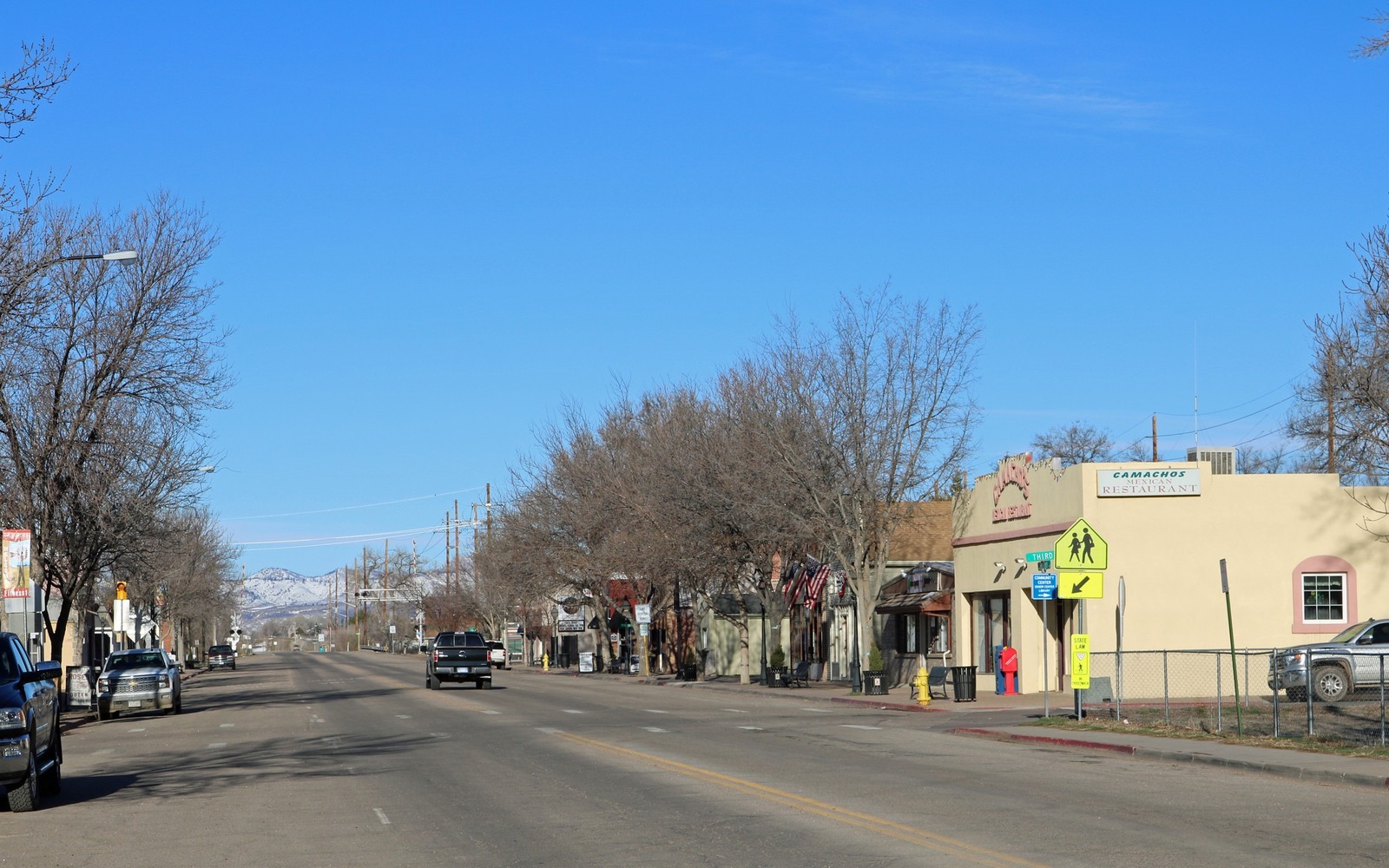
Wellington's growth north of Fort Collins is following the same pattern as Timnath and Windsor, new subdivisions closing in on land that's still open to drilling.
North of Fort Collins, Wellington has become one of northern Colorado's fastest-growing towns, and like its neighbors along the Larimer-Weld corridor, that growth sits on top of the northern reach of the DJ Basin's Niobrara and Codell trend. Owners here are navigating the same tension as elsewhere along this corridor: strong underlying geology paired with a shrinking window of undeveloped land.
We track permitting activity along the entire Larimer-Weld corridor, from Wellington down through Timnath and Windsor, since operator interest tends to move as a unit along this stretch rather than town by town.
Northern edge of a productive trend
The Niobrara and Codell formations extend north through Larimer County into the Wellington area, though well economics here typically run a step below the deep Weld County core. Operators still find this ground worth drilling, particularly with longer horizontal laterals, but we price Wellington interests against comps specific to this northern corridor rather than central Wattenberg numbers.
Larimer County's approach to siting
Larimer County and the town of Wellington have generally taken a more cautious posture toward new oil and gas siting than deep Weld County, which has occasionally slowed local permitting even where the underlying geology supports drilling. That local dynamic is one more factor we weigh alongside geology when pricing your interest.
What we verify before making an offer
We confirm your chain of title through the Larimer County Clerk and Recorder, check current spacing units near your tract, and price against recent northern-corridor comps.
Anchor the Area to the Colorado Record
An area brief should identify the local property context without substituting a city or county label for tract evidence. The file connects the local tract to the legal description, ownership fraction, formation, producing unit, operator, lease position, paid decimal, statement history, and nearby activity. County records, state well information, payor documents, and the owner file may each answer a different part of the schedule. The review should preserve those source differences rather than smoothing them into a generic statewide summary.
Compare Local Tracts Through the Same Evidence Lines
A local tract can be compared with other Colorado interests only after the same evidence lines are populated: recorded right, paid interest, production, decline, lease burdens, inventory signals, title risk, and written offer scope. Basin proximity, operator activity, or a nearby completion can add context but does not guarantee development. A useful written comparison states the date of the evidence, the assumptions included, the property excluded, and the title or timing condition that could still change the result.
Check the Assumption Before It Enters the Schedule
How does Wellington compare to Weld County core pricing?
It sits on the northern edge of the trend, generally a step below deep Wattenberg core economics, so we price against comps specific to this corridor.
Has Wellington's growth made drilling harder?
Local siting review has grown more cautious as the town has grown, which can affect timing, though it doesn't eliminate the underlying mineral value.
What paperwork do you need?
A mineral deed or legal description, which we use to confirm your chain of title through Larimer County records.
How does Wellington compare to Timnath or Windsor for drilling activity?
Generally similar, all three sit along the same northern Wattenberg corridor, though the exact pace of permitting can vary by section and by which operator holds the acreage.