
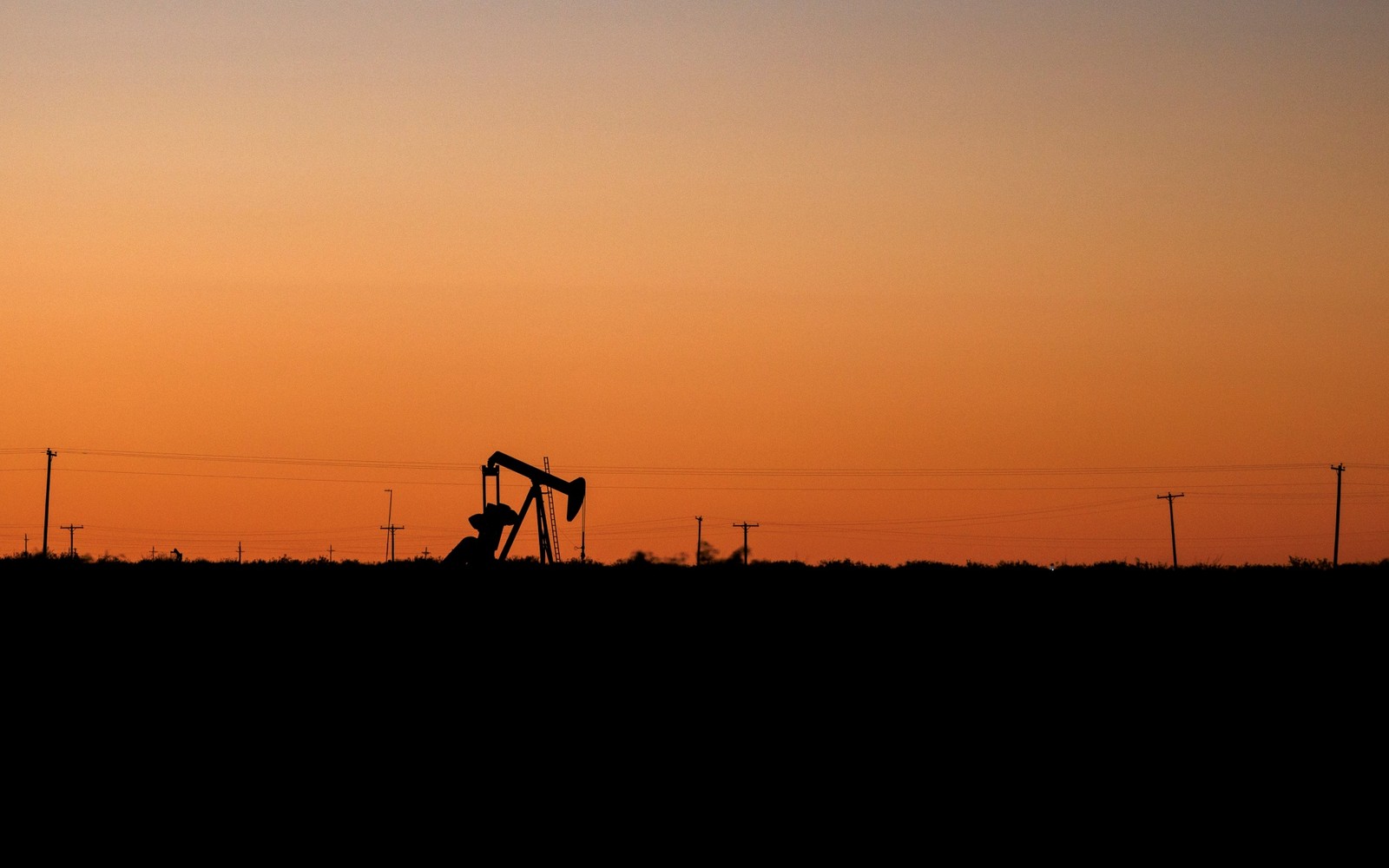
Inflation and Mineral Income
Mineral income can respond to commodity prices, but physical decline, deductions, taxes, timing, and operator decisions prevent it from behaving like a fixed inflation-linked payment.
Do Not Confuse Higher Prices With Higher Real Income
Oil and gas revenue may rise when realized commodity prices increase, but the owner is paid on both price and volume. A mature well can sell product at a higher price while producing fewer barrels or less gas, leaving the royalty check flat or lower. Product differentials, basis conditions, contract terms, taxes, and post-production charges can further separate a local statement from a headline benchmark price.
An inflation discussion should therefore start with the property ledger, not a broad commodity chart. The review should compare monthly production, realized sales prices, deductions, and net revenue over the same period. Nominal payment growth can then be separated from changes caused by a new well, a suspense release, a workover, downtime, or a different ownership decimal.
Model Purchasing Power With Decline and Timing Visible
A producing interest is a depleting asset. Existing wells typically decline, while possible future wells depend on permits, operator capital, spacing, lease rights, and economics. A forecast that assumes price inflation but holds volumes constant can materially overstate future cash flow. Base and downside cases should allow both prices and production to move and should show whether deductions rise with revenue or remain partly fixed.
Mineral ownership can still add a distinct commodity-linked return stream to a portfolio, but that is different from guaranteeing protection against inflation. Taxes, liquidity, concentration, title risk, and the uncertain timing of development belong in the same decision file before an investor relies on an inflation thesis.
Separate Income Evidence From the Investment Thesis
A Colorado mineral package should be evaluated through a production ledger and an inventory line rather than one headline yield. The production ledger tracks monthly volumes, product mix, realized prices, deductions, taxes, adjustments, downtime, decline, operator performance, and the paid decimal. The inventory line tracks undeveloped acreage, permits, offsets, spacing, lease terms, title risk, and basin activity. Historical checks support the current-income analysis, but they do not guarantee future volumes, commodity prices, development, or distributions.
Document the Risks Around the Package
The investment brief should state concentration by county, operator, formation, well, and payor; distinguish producing, shut-in, permitted, and undeveloped interests; and show which title or lease assumptions remain open. Liquidity, tax treatment, commodity exposure, decline, operating decisions, regulatory changes, deductions, curative work, and future capital obligations can affect outcomes. Independent legal, tax, title, engineering, reserve, appraisal, and investment review may be appropriate before a buyer relies on a forecast or acquisition structure.
Keep the Underwriting Trail Auditable
The file should preserve the source date for every production series, statement, price assumption, lease term, ownership fraction, title conclusion, permit, offset, and development scenario used in the review. Base, downside, and upside cases should be labeled as scenarios rather than promises, and the buyer should be able to identify which line changes when volumes, prices, timing, deductions, ownership, or development assumptions move. A clear underwriting trail makes later diligence more useful because new evidence can update the relevant line without rebuilding an unexplained headline number.
Check the Assumption Before It Enters the Schedule
Do royalty checks automatically rise with inflation?
No. Realized commodity prices are only one input; production decline, downtime, deductions, taxes, product mix, and decimal changes also affect the payment.
Why can headline oil prices differ from the price on a statement?
Local differentials, sales timing, quality, transportation, contract terms, and payor accounting can separate the realized price from a published benchmark.
Should an inflation case assume flat production?
Not without evidence. Existing-well decline and uncertain future development should remain visible in every price scenario.